
San Diego Trade Openings: How Many Weeks of Lead Time to Post
A San Diego general contractor should start any apprentice dispatch paperwork at least 72 hours before apprentices are needed on a public works job. On California public works, requests for apprentice dispatch (the DAS 142) must be in writing and submitted at least 72 hours ahead, not counting weekends and holidays. Counting back in business days, a request made late in the week may not clear the rule until the following week. Separately, once a prime contract or subcontract is signed, the contractor must report contract award information to the relevant apprenticeship committee within 10 days of signing, and no later than the first day it has workers on the job. This 72-hour dispatch rule is the clearest stated lead-time figure available for Southern California trade hiring, and it anchors how far in advance a general contractor should plan around apprentice staffing needs on a public works project.
Public Works Paperwork Deadlines Before a Project Starts

Before a single worker shows up on a San Diego public works job, the paperwork deadline is already running. On California public works, a Department of Industrial Relations (DIR) regulation (§230. Notification of Contract Award Information) says a contractor must give contract award information to the relevant apprenticeship committee within 10 days of signing the prime contract or subcontract, and no later than the first day it has workers on the job. Whichever comes first triggers the obligation — the date ten days out, or the first day a crew actually steps onto the site. A contractor who signs and then mobilizes fast can find that the "first day on the job" trigger lands well before the ten-day window would have closed on its own.
This report isn't a formality. DIR says DAS 140 contract award information must include estimated journeyman hours, the number of apprentices proposed, and the approximate dates they would be employed. In practice, that means a general contractor needs a reasonably firm staffing plan drafted before the contract is even finalized, not scrambled together after. Waiting until signature to work out journeyman hours and apprentice counts leaves very little room to hit the 10-day window cleanly. The smarter sequence is to rough out these numbers during bidding, so that the moment a contract is awarded, the DAS 140 submission is mostly pre-filled and ready to go.
This is where timing a trade opening post around project start becomes relevant — the DAS 140 reporting deadline and the work of lining up skilled trade workers for a job run on two separate tracks, and they need to run in parallel, not one after the other.
Why Trade Openings Are Taking Longer to Fill
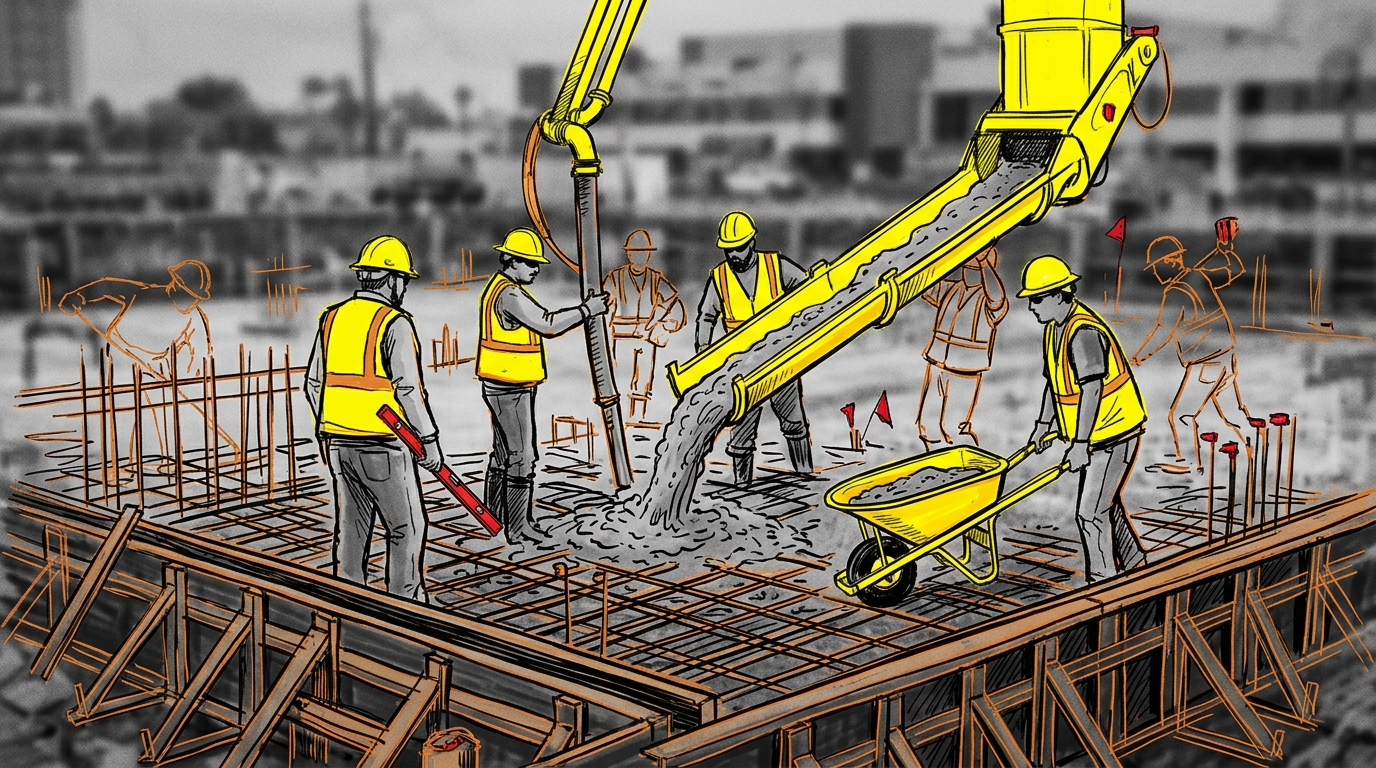
The reason lead time matters as much as it does isn't just paperwork — it's the labor market itself. In the AGC/NCCER 2026 Workforce Survey, 88 percent of construction firms with craft openings said those jobs were as hard or harder to fill than a year earlier. That means nearly nine out of ten firms with open craft positions are facing the same difficulty.
| Firm type | Share reporting difficulty filling openings |
|---|---|
| Open-shop firms | 86 percent |
| Union firms | 77 percent |
AGC's 2026 outlook reported that, among firms with hourly craft openings, 86 percent of open-shop firms and 77 percent of union firms had trouble filling them. A general contractor who assumes trade workers will simply be available when a project start date arrives is working against a labor market where most firms are already struggling to keep pace.
This is why lead time compounds: a contractor who posts a trade opening at the last minute is posting into that same tight market. Posting earlier, before the crunch hits, gives a project a head start that the broader market data suggests is increasingly necessary.
When You're Short on Apprentices, the Clock Starts Early
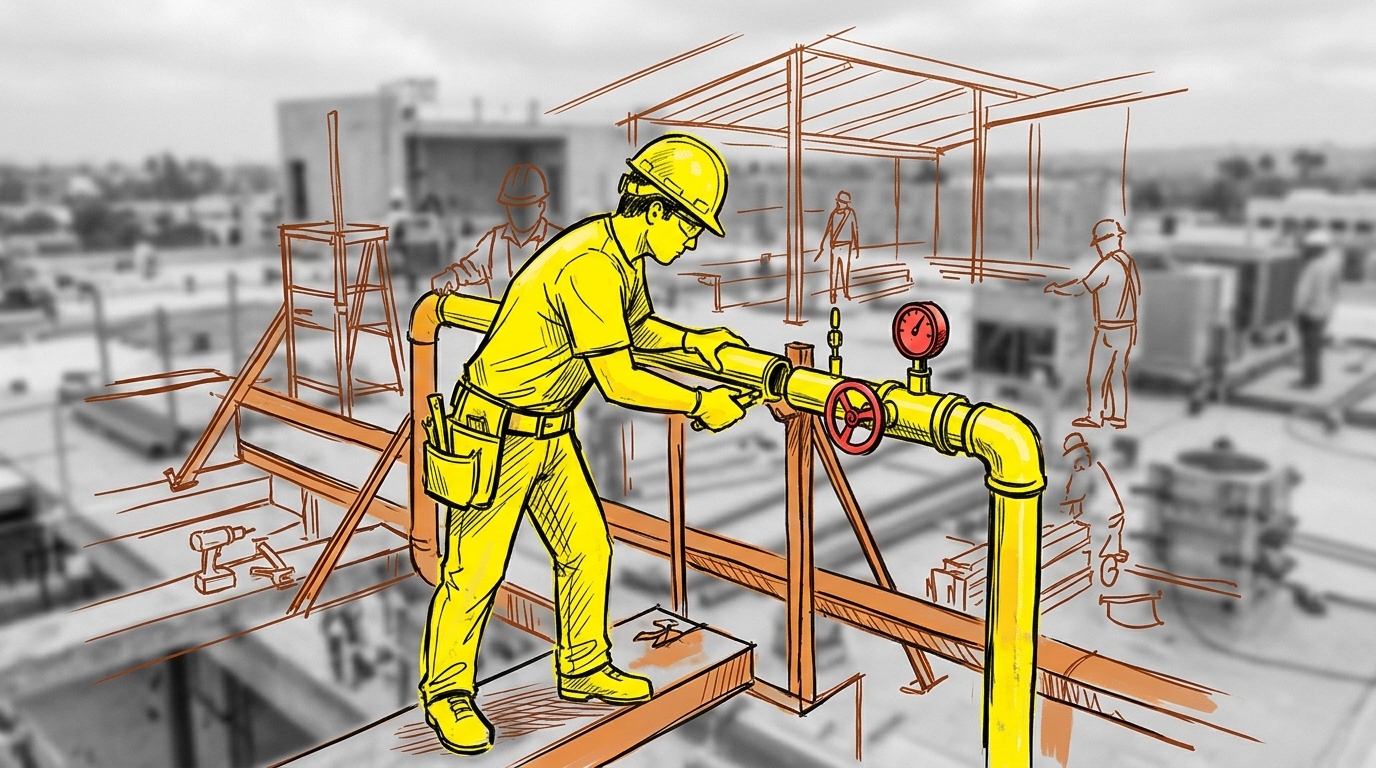
For contractors who don't already meet their required apprentice ratio, the lead-time question has a hard, stated answer. California public works contractors who don't already employ enough apprentices to meet the ratio must request apprentice dispatch from a program at least 72 hours (excluding weekends and holidays) before the apprentices are needed. That exclusion of weekends and holidays is the detail to watch. A request submitted Thursday afternoon, aiming to have apprentices on-site by Monday morning, does not clear a 72-hour window that skips Saturday and Sunday — it falls short, because those two weekend days simply don't count toward the 72 hours at all.
The practical fix is to think in business days, not calendar days, and to build in buffer time beyond the bare minimum. A request filed early in the week, well ahead of a weekend, gives the apprenticeship program time to process and respond without the contractor getting caught off guard when the 72 hours take longer than expected to run. This rule is worth treating as the baseline for any California public works project that depends on apprentices to meet ratio requirements. For San Diego jobs, the Division of Apprenticeship Standards' San Diego region answers at 619-767-2045.
For contractors building a staffing timeline from scratch, this rule fits into the larger pattern covered in lining up trade workers before a big bid — the apprentice dispatch deadline is one piece of a bigger lead-time puzzle that starts well before a bid is even won.
Frequently Asked Questions
When must a contractor report a signed contract to an apprenticeship committee?
Within 10 days of signing the prime contract or subcontract, and no later than the first day workers are on the job, whichever comes first.
What information goes into that contract award report?
The DAS 140 submission must include estimated journeyman hours, the number of apprentices proposed, and the approximate dates those apprentices would be employed.
How can I find an apprenticeship program for a specific trade near San Diego?
DIR provides a database for locating approved apprenticeship programs by craft and by geographic location, which can help identify a program serving the San Diego area.
Is it harder to fill craft openings now than before?
Yes. In the 2026 AGC/NCCER Workforce Survey, 88 percent of firms with craft openings said those openings were as hard or harder to fill than the year before.
If I'm short on apprentices, how far ahead must I request dispatch?
At least 72 hours ahead, excluding weekends and holidays, if a contractor doesn't already employ enough apprentices to meet the required ratio on a public works job.
Posting Your Trade Opening With Enough Time to Spare
Lead time isn't just about apprenticeship paperwork — it's about giving skilled trade workers enough visibility into a project before the start date arrives. Construction Help Finder is a job board built specifically for the construction trades, serving Southern California, where general contractors and trade business owners post work and skilled trade workers find it. The platform doesn't screen or vet workers or guarantee any outcome — it simply connects employers who need trade workers with the trade professionals looking for work, and leaves the hiring decision entirely in the contractor's hands.
Given what the data shows about how hard craft openings are to fill, and how unforgiving the apprentice dispatch deadline can be once weekends and holidays are factored in, the most reliable habit a San Diego general contractor can build is posting early. Whether that means getting a trade opening in front of workers weeks before a project start, or simply giving an apprenticeship program the business days it needs to process a dispatch request, the pattern holds either way: lead time is the one lever a contractor controls directly. To post your opening and reach skilled trade workers directly, Get Started.