Finding Journeyman Electricians for Los Angeles TI Work
A contractor filling a tenant improvement (TI) role should hire a journeyman electrician with documented commercial TI project history, not rely on state certification alone, since certification shows logged hours and a passed exam, not time inside occupied commercial suites. Under Labor Code 108.2(b), certification is required only for people working as electricians for C-10 electrical contractors, and that certification is earned by logging job hours before sitting the exam: 8,000 hours for a General Electrician or 4,800 for a Residential Electrician. These numbers describe time worked across two or more work areas, with caps on each, so a certified electrician may still have little or no time in occupied commercial space. For a contractor staffing a TI job, the practical takeaway is to treat the state certification as a baseline legal requirement and then check separately, through direct conversation, project references, and portfolio review, for actual tenant improvement experience. Certification status tells an employer little about whether a candidate has worked around active tenants, coordinated with property management, or handled the inspection sequencing typical of TI permits. This article explains what the certification requirement actually covers, who it applies to, and why documented commercial project history is the better signal for TI-specific hiring decisions.
What California Certification Actually Requires

Before a Los Angeles contractor can start evaluating a candidate's TI-specific skills, it helps to know exactly what the state certification requirement does and doesn't cover. California law requires people working as electricians under a C-10 licensed contractor to be certified under DLSE standards (Division of Labor Standards Enforcement). This is a statewide California requirement, not a city-specific one.
The path to that certification runs through logged hours, not project type. Applying for the General Electrician certification exam requires 8,000 hours of work for an electrical contractor on systems covered by the National Electrical Code. Those 8,000 hours must come from two or more work areas, and DIR caps how many can count from each one, such as 3,000 for residential wiring and 6,000 for industrial wiring. A contractor reading a resume that lists "8,000 hours, certified General Electrician" is reading proof of time served and a passed exam — nothing about whether that time was spent anywhere near a commercial tenant space.
This is also where the distinction between the two certification tracks matters for hiring. A Residential Electrician certification requires only 4,800 logged hours rather than the 8,000 required for a General Electrician. On paper, both are "state-certified electricians." But the hour count alone signals which track a candidate came up through, and a contractor staffing a commercial TI job should notice when a candidate's background sits entirely on the residential side of that line. That certification baseline is the floor every candidate has to clear before TI-specific screening even starts, so it's worth understanding on its own terms before moving into the harder question of who on a crew actually needs to carry that credential.
Who Must Be Certified on a C-10 Job
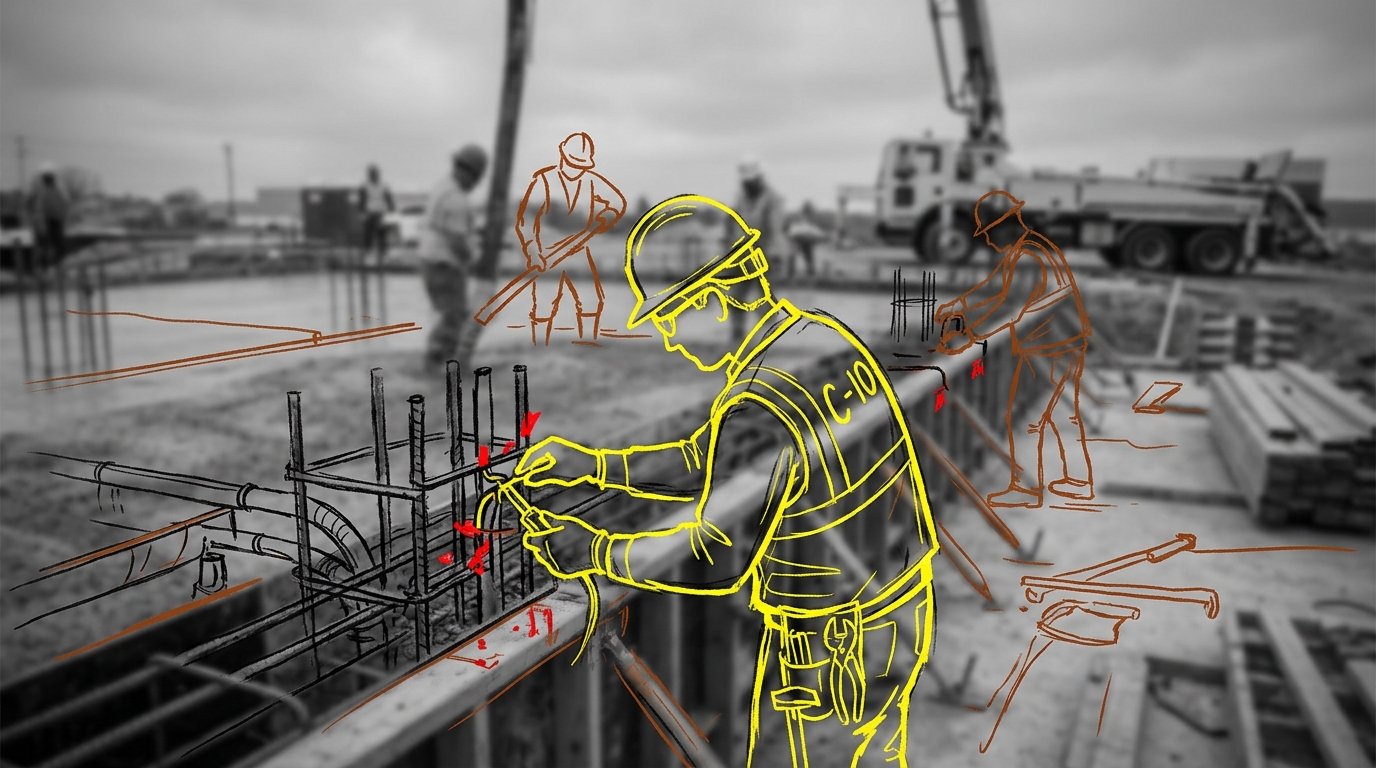
Knowing who the certification rule actually covers helps a Los Angeles contractor figure out which members of a prospective electrical crew need to show proof of credential, and which roles are more about tools-on experience than paperwork. DIR states that all electricians making connections greater than 100 volt-amps who work for C-10 contractors are required to be certified.
The requirement doesn't stop at the journeyman level. DIR says a foreman for a contractor who sometimes works with the tools must be certified. If that foreman picks up tools at all, the same certification rule applies to them as to anyone else on the job. A Los Angeles contractor staffing a TI project should ask not just "is the journeyman certified" but "is everyone on this crew who makes connections greater than 100 volt-amps certified," since the DIR standard draws the line at hands-on work, not job title.
Why Certification Doesn't Confirm TI Experience
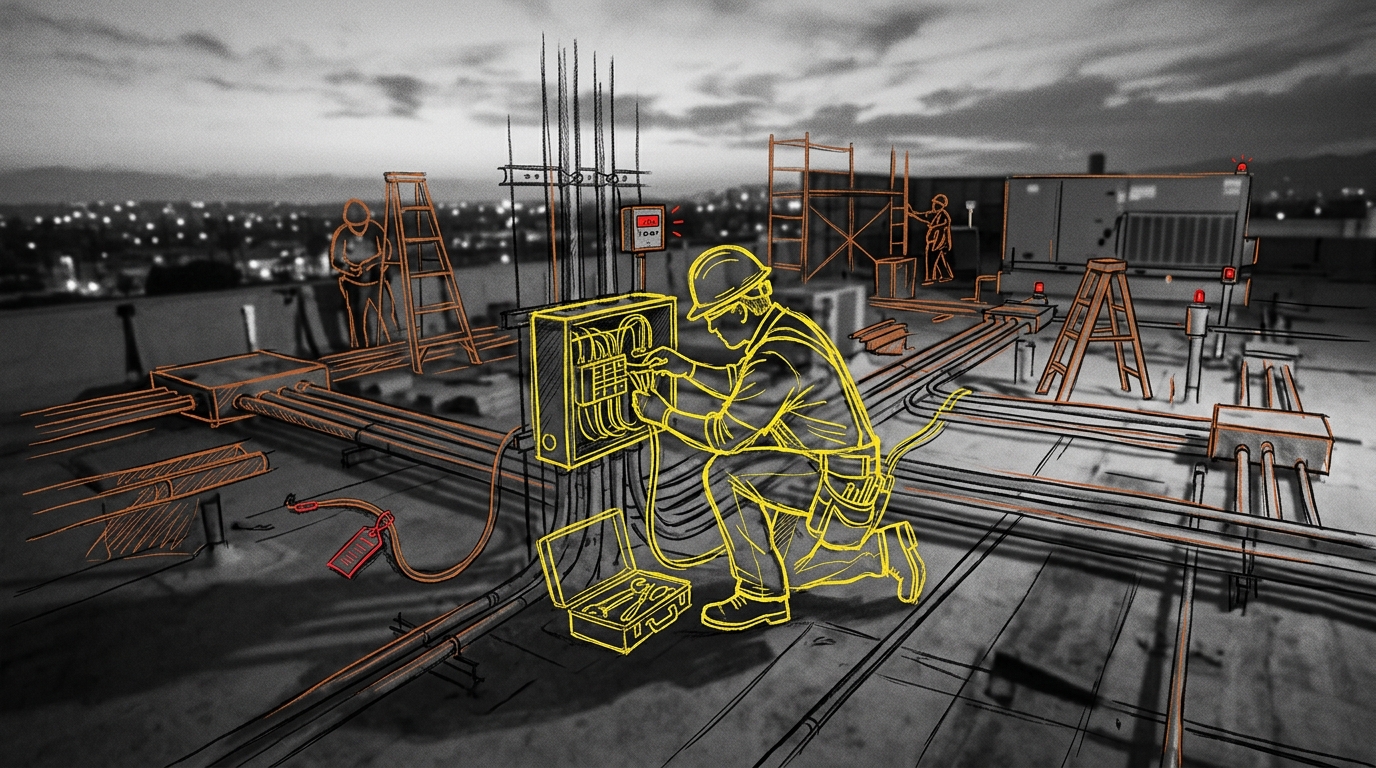
Certification confirms a credential was earned under state rules. Confirming that the person standing in front of a contractor actually holds that credential — and that the credential reflects the kind of experience a TI job needs — falls entirely on the employer. Construction Help Finder does no certification verification itself. The platform's role is to connect employers with available skilled trade workers, not to check paperwork or vouch for what a candidate claims about their background.
That division of responsibility is worth internalizing: a contractor posting a TI role should expect to do the credential check personally, whether that means asking a candidate to produce their certification or requesting references from prior commercial TI jobs. A contractor who treats certification as a finish line rather than a starting point risks hiring a journeyman electrician who is fully certified and completely unprepared for the realities of working inside an occupied Los Angeles office suite or retail space.
Why Commercial and Residential Wiring Work Differ
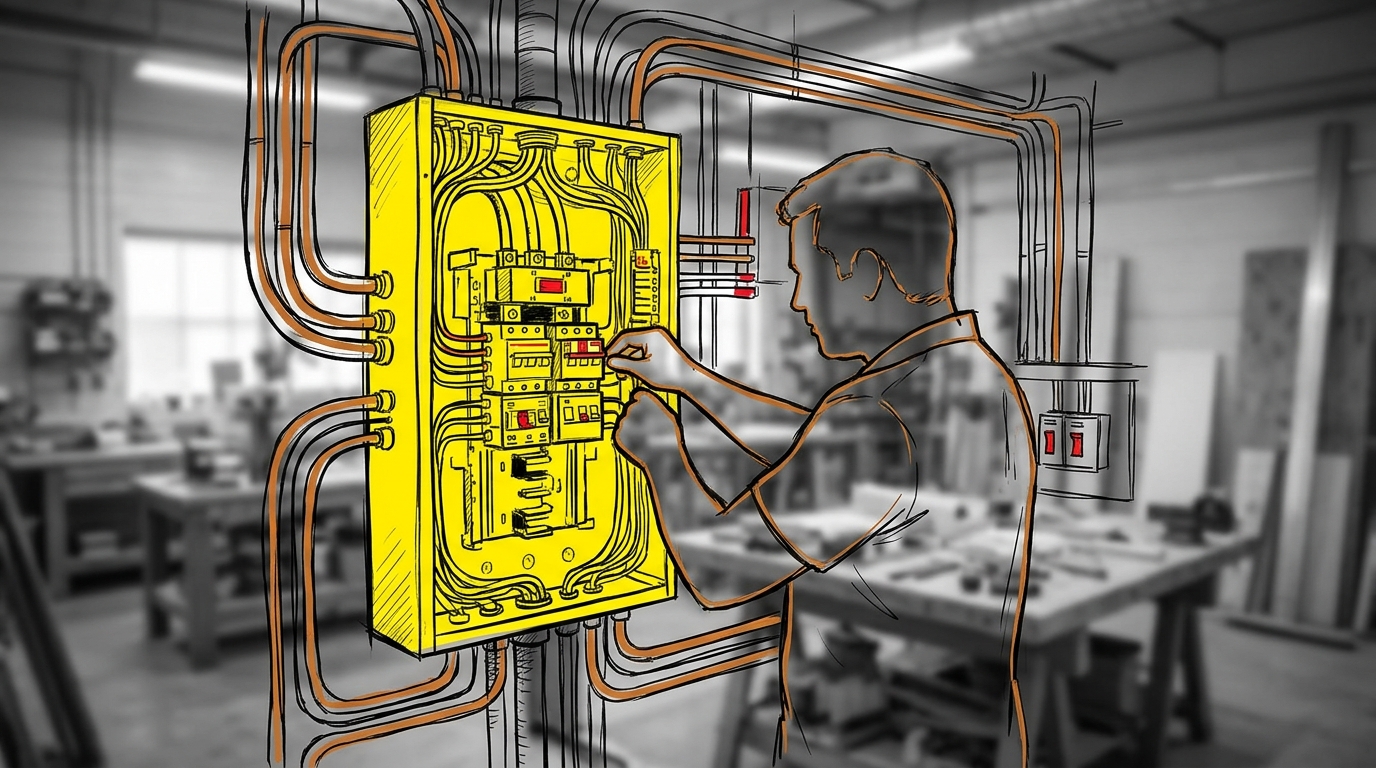
The gap between "certified" and "TI-ready" comes into focus once the actual difference between commercial and residential electrical work is laid out. Inside wiremen mainly do electrical construction work in commercial and industrial settings, while residential wiremen mainly do it in residential settings. A journeyman who has spent a career as a residential wireman may be an excellent electrician within that scope, and fully certified under the same state rules described above, while still having zero exposure to the commercial-specific skills a Los Angeles TI job demands.
Tenant improvement work adds another layer on top of general commercial experience: the building is often occupied, which means the electrician has to work around active tenants, coordinate shutdowns during business hours, and sequence inspections without disrupting operations. None of that is captured by the state certification process, and none of it is guaranteed by inside-wireman experience alone, since even commercial work outside the TI context rarely involves occupied-space constraints the way a busy office floor or an open retail storefront does. An inside wireman who has only worked ground-up commercial construction, where the building is empty until the day it opens, still hasn't necessarily dealt with the specific choreography of working around people who are actively using the space.
The scale of the regional construction workforce is part of why this screening work matters rather than being optional. In May 2023 the Los Angeles-Long Beach-Anaheim metro had 184,070 construction and extraction jobs, with an annual mean wage of $73,370 — a figure covering all construction and extraction occupations rather than electricians specifically, but one that gives a sense of how large and varied the pool of skilled trade workers is across the region. With that many trade professionals spread across that many specialties, a contractor has to check TI history directly.
For what electricians look for when choosing between commercial TI projects and residential jobs, see comparing commercial TI and residential jobs for electricians, and for whether electricians look for work at supply houses or on trade boards, how electricians look for job opportunities. The complete overview of reaching local electricians covers what to know before you start connecting with local electricians.
Frequently Asked Questions
What does it mean for an electrician to be state-certified in California?
A state-certified electrician in California has logged the required job hours, 8,000 for General Electrician or 4,800 for Residential Electrician, before sitting the state exam. It is a credential employers ask candidates about during hiring, confirming only that the hour and exam requirements were met.
What does the General Electrician certification exam require?
Applying for the General Electrician certification exam requires 8,000 hours of work for an electrical contractor on systems covered by the National Electrical Code.
Do foremen need to be certified too?
Yes, if they sometimes work with the tools. DIR says a foreman for a C-10 contractor who occasionally performs hands-on electrical work must be certified, the same as any other electrician on that crew.
Does Construction Help Finder verify an electrician's certification?
No. Construction Help Finder does not perform certification verification of any kind. Employers are responsible for confirming a candidate's credentials and experience directly.
What's the difference between commercial and residential electrical work?
According to the electrical training alliance, inside wiremen mainly perform electrical construction work in commercial and industrial settings, while residential wiremen mainly work in residential settings. This distinction is why commercial tenant improvement experience should be checked separately from general certification.
Finding the Right Electrician for Your Next TI Job
Hiring for a Los Angeles tenant improvement project means looking past the state certification card and digging into the specific project history that actually predicts success on an occupied commercial job site. Certification tells a contractor that an electrician logged the required hours and passed an exam; it doesn't tell them whether that electrician has ever coordinated with property management, sequenced inspections around active tenants, or handled the commercial-grade systems that set TI work apart from residential jobs. The contractors who staff these projects well treat certification as step one and direct questions about commercial TI history as step two, asking candidates directly about past buildouts, who they worked around, and how those jobs were sequenced.
Construction Help Finder exists to connect Southern California employers with skilled trade workers through its construction-only job board, where employers post work and journeyman electricians find it, so you can start those direct conversations about project history: Get Started.