How Contractors Can Check Electrician Trade Qualifications
A contractor checks an electrician's trade qualifications by looking up that individual's certification record through the state's own lookup tools. California's DLSE Electrician Certification Search lets a contractor find a person's certification status using the first four letters of the last name plus the last four digits of the driver license or ID number listed on the application. This confirms whether the worker is a certified electrician or a registered trainee; registered apprentices are checked through a separate Division of Apprenticeship Standards search. A registered general electrician apprentice is exempt from certification while still in the apprenticeship, but once that apprentice passes the required exam and completes the apprenticeship, they become eligible to work as a certified electrician for C-10 contractors. That certification is what a contractor should confirm before work begins.
Who Counts as an Electrician in California
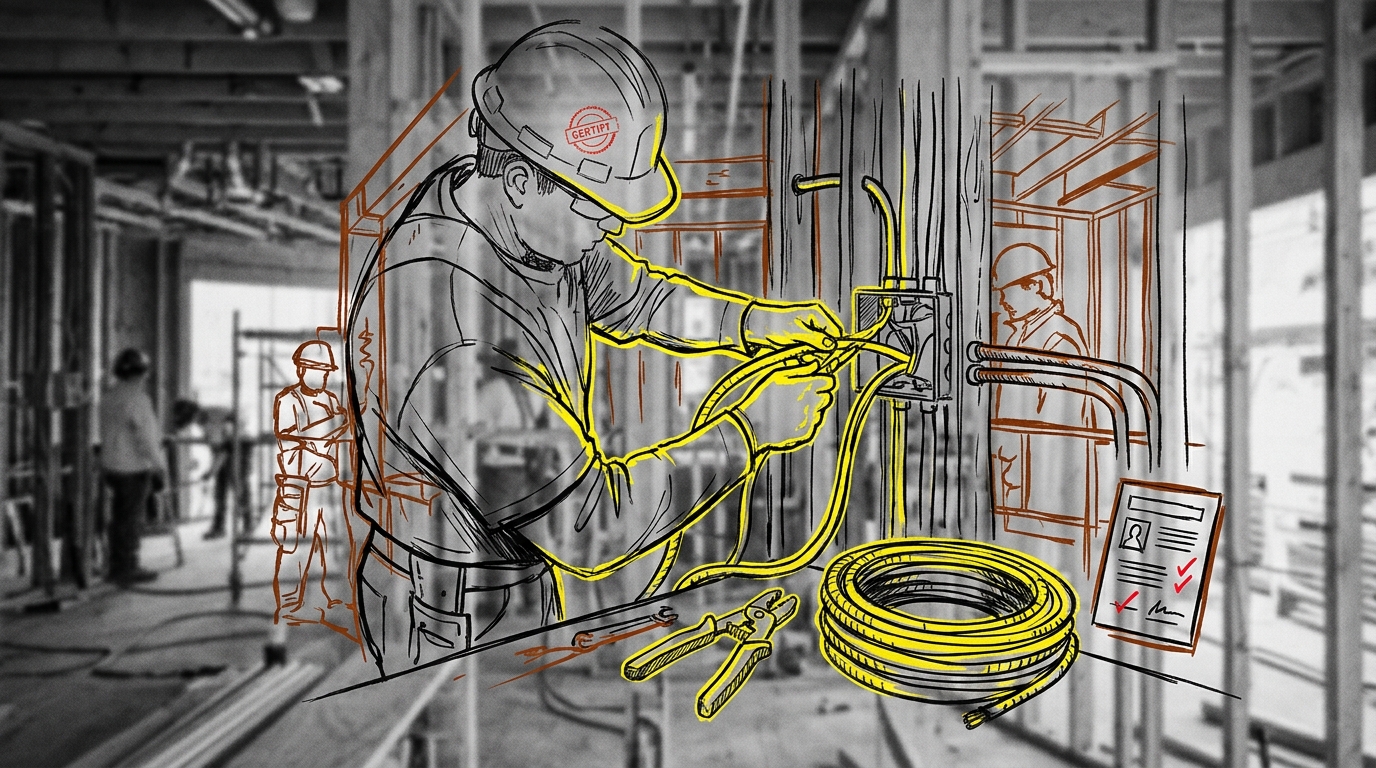
Before a contractor can check anyone's credentials, it helps to know who the state actually considers an electrician in the first place. For certification purposes, California defines electricians as all people who connect electrical devices for licensed electrical contractors. That's a broad, functional definition. It's about the work being performed, not a job title on a business card or a name printed on a truck door.
But "electrician" isn't the only legal status a worker on a job site might hold. California recognizes two other paths for doing electrical work legally: a worker can be registered in a state-approved trainee program, or indentured in an approved apprenticeship. A California Electrician Trainee, for example, must complete 150 hours of required annual training. A contractor evaluating a worker's qualifications needs to know which of these three statuses, certified electrician, registered trainee, or registered apprentice, actually applies.
This is also where a contractor's own vetting responsibility begins. Before a hire is even on the table, it's worth working through a guide for contractors seeking electrical hires covering what to know before you start connecting with local electricians.
Using the State Certification Lookup Tools
Once a contractor knows which status to expect, the next step is confirming it directly. DIR provides online verification of whether a person is a registered apprentice, a certified electrician, or an electrician trainee (Division of Labor Standards Enforcement).
It's worth setting expectations correctly here: a search may return no match if the person has not finished applying for electrician certification or trainee registration (DIR). A blank result doesn't automatically mean fraud or dishonesty. Sometimes it just means paperwork is still in process. But it does mean a contractor shouldn't proceed on the assumption that the worker is certified. A no-match result is a prompt to ask more questions, not a technicality to work around. A guide to what to ask an electrician before hiring directly covers the questions worth raising in that conversation.
Checking Apprentice Status With the DAS Search
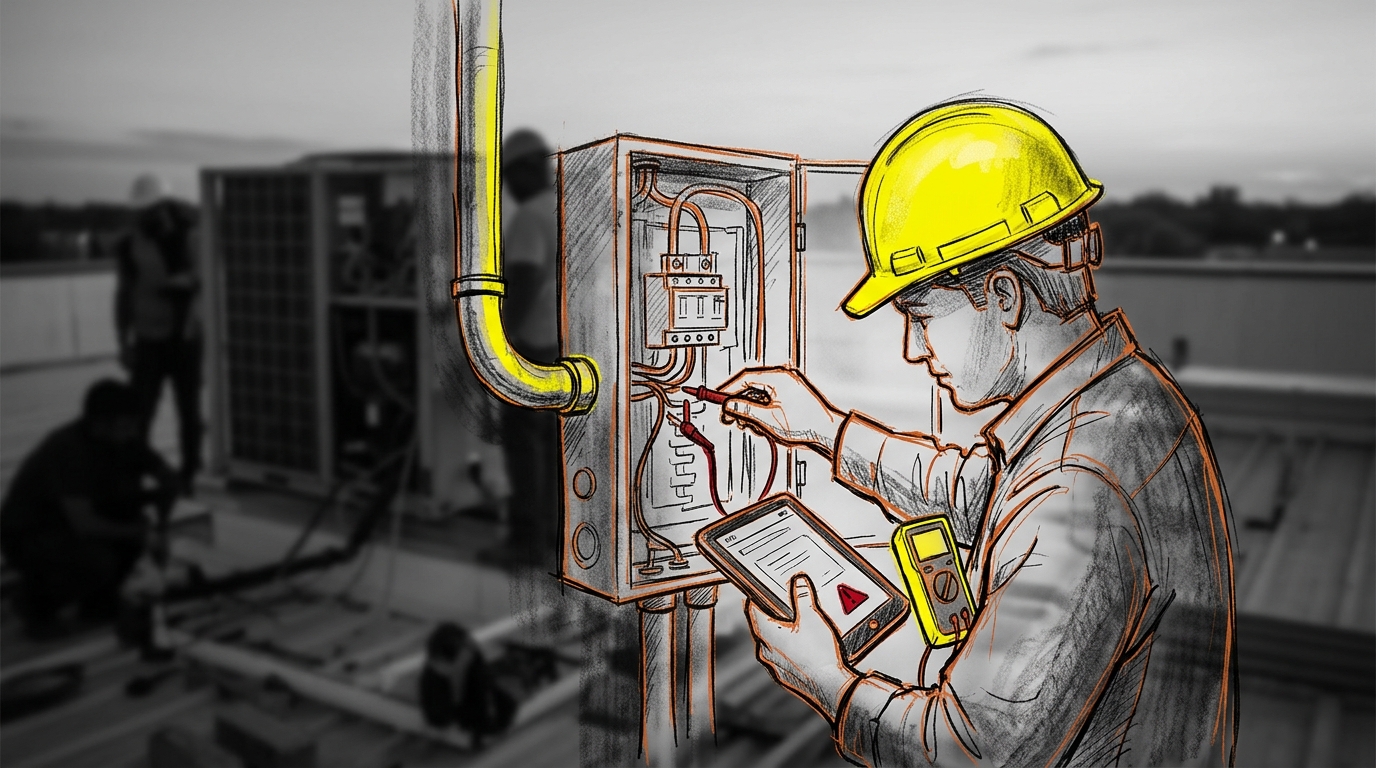
If a worker identifies as an apprentice rather than a certified electrician, the verification process uses a different tool. The DAS apprenticeship status search uses the first four letters of the last name, the first initial, and the last four digits of the Social Security number (DIR). This search confirms whether the worker is a registered apprentice.
When Certification Isn't Required
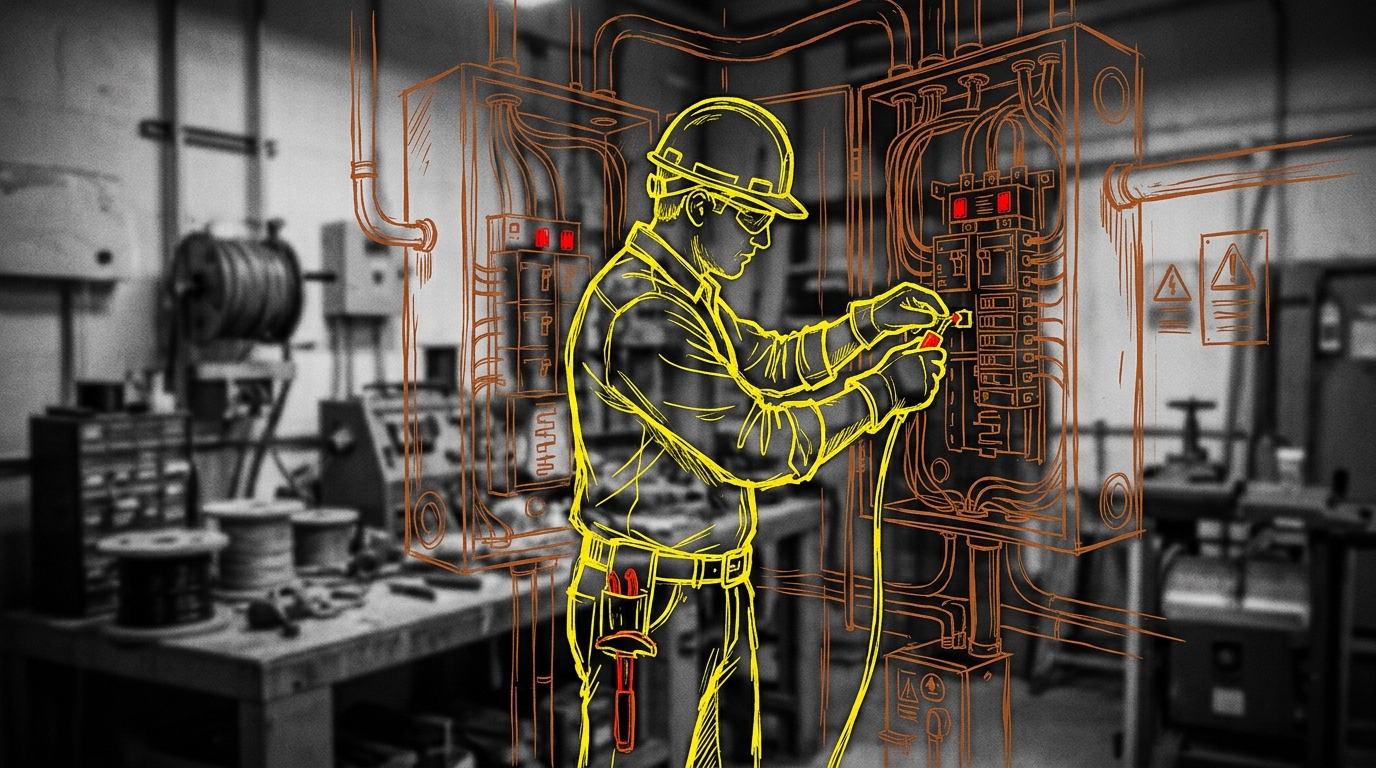
Certification requirements aren't universal across every type of electrical work, and knowing the exceptions matters just as much as knowing the rule. Certification is not required for people working for C-7 low voltage or C-45 electric sign contractors when the work stays within the scope of those licenses. A contractor bringing on workers for low-voltage data cabling or electric sign installation, for instance, should understand that the certification check described above may not apply in the same way, provided the work genuinely stays within those narrower license scopes.
Where certification applies, DLSE and the Contractors State License Board have shared responsibility for enforcing Labor Code 108.2 since July 1, 2009. That shared enforcement structure is one more reason a documented certification check matters. It reflects a legal requirement that two state bodies share responsibility for enforcing.
Where to Find Official Lists and the Platform's Role
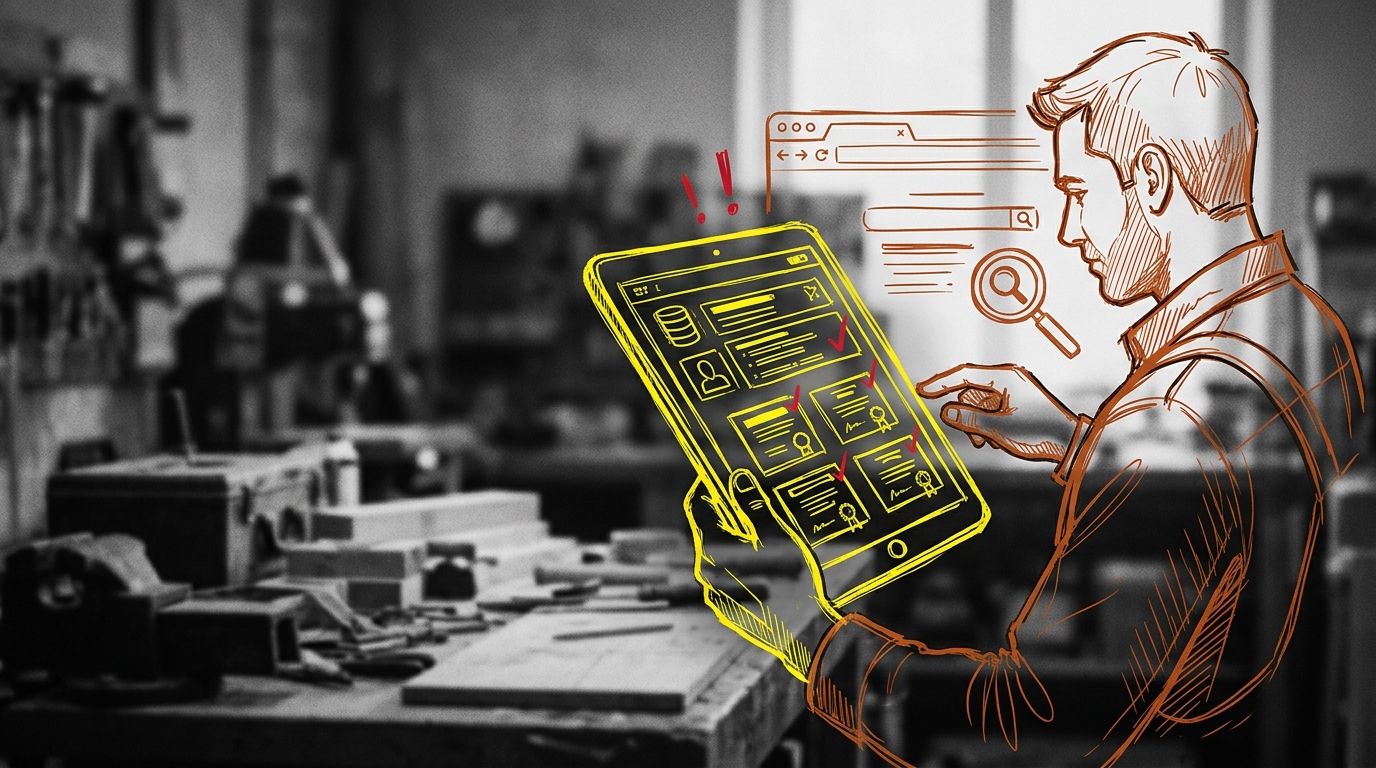
For a contractor who wants to go a step further than a single name search, the state also publishes broader reference lists. The state publishes downloadable lists of California certified electricians and electrician trainees maintained by DIR's Electrician Certification Unit (DIR Electrician Certification Unit (ECU)). These lists can be useful for contractors doing larger-scale hiring or cross-checking multiple workers at once, rather than running individual searches one at a time.
What's worth being direct about here is what a job board does and does not do in this process. No vetting or screening is performed by the platform. Construction Help Finder connects contractors with skilled trade workers looking for construction work. It does not verify certifications or stand behind any worker's qualifications. That verification work, the DLSE search and the DAS search, sits entirely with the contractor. Knowing where electricians actually search for work, whether at supply houses or on trade boards, doesn't change who is responsible for confirming credentials once a candidate is found.
Frequently Asked Questions
Are electricians who respond through Construction Help Finder already screened?
No. Construction Help Finder does no vetting and no screening, and no license is needed on either side to use the platform. A contractor must check certification directly through the state's own lookup tools before hiring.
What are the legal ways someone can do electrical work in California without being certified?
Two routes besides certification are legal: signing up for a state-approved Electrician Trainee program with trainee registration, or holding an indenture in an approved electrical apprenticeship. A worker needs one of the three statuses, certified, trainee, or apprentice, to do electrical work legally in California.
What information do I need to run an apprentice status search?
The DAS apprenticeship status search uses the first four letters of the last name, the first initial, and the last four digits of the Social Security number. This lets a contractor confirm whether a worker is a registered apprentice.
Are there cases where an electrical worker doesn't need certification at all?
Yes. Certification is not required for people working for C-7 low voltage or C-45 electric sign contractors when the work stays within the scope of those licenses. Outside that scope, this exemption does not apply.
Finding Qualified Electricians in Southern California
Checking certification is one piece of a larger hiring process, and it starts with finding workers to check in the first place. Southern California general contractors and trade business owners who need skilled workers for a project can use Construction Help Finder to reach skilled trade workers actively looking for construction work in their trade. From there, the verification steps outlined above, the DLSE search and the DAS search, put the hiring decision on solid ground. When you're ready to start connecting with electricians and other trade professionals for your next project, Get Started.