Direct Contact vs Markup Fees: Comparing Ways to Reach Trade Workers
Direct contact with trade workers means no middleman markup sits between the employer and the hire; going through an outside business that supplies workers adds a fee on top of the hire. The tradeoff is not just price: California law adds real legal weight to the middleman route. Under California Labor Code section 2810.3(b), a client employer that obtains workers from an outside business that supplies them shares civil legal responsibility and civil liability with that supplying business for those workers — a rule that applies to businesses with 25 or more workers, counting direct hires and supplied workers together. That shared liability cannot be waived — a waiver of section 2810.3 is void and against public policy — and it cannot be shifted away either: a client employer may not hand off its workplace-safety duties under Division 5 of the Labor Code to the business that supplied the workers. So when an employer pays markup to a supplying business, it is not buying its way out of legal exposure; it is adding a layer of cost while keeping shared responsibility for wages, workers' compensation insurance, and safety. Construction Help Finder sits outside this arrangement altogether: it connects employers and skilled trade workers and then gets out of the way, rather than performing any supplying, placement, or labor-contracting role. Weighing direct contact against markup-fee middlemen comes down to the legal shared-liability picture, which favors direct relationships.
What Direct Contact Looks Like
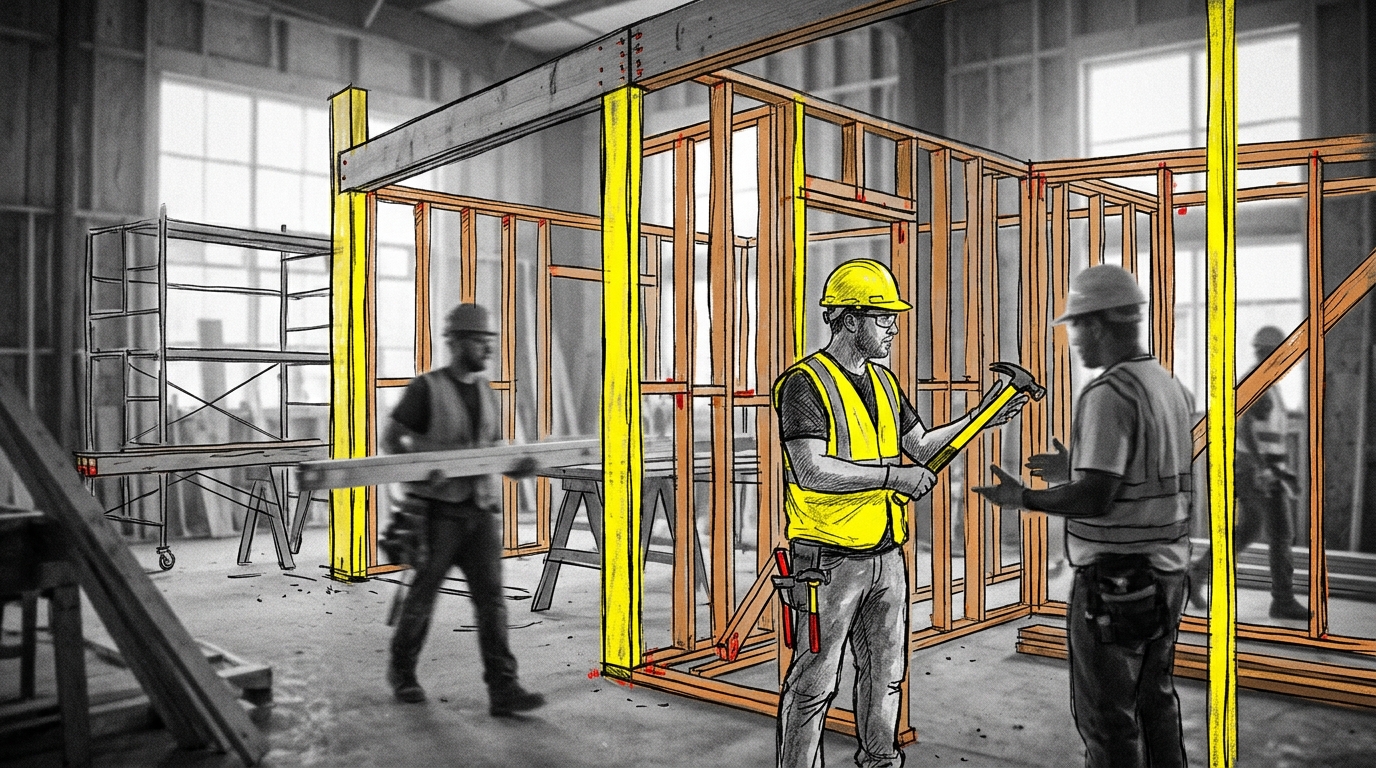
When a general contractor or trade business owner reaches a tradesperson directly, there's no outside business standing between the two sides collecting a markup for the introduction. Construction Help Finder connects employers and skilled trade workers, then gets out of the way. That's the whole of its role. It does no staffing, placement, or labor-contracting work, and it is nobody's employer. There's no intermediary business sitting in the payroll chain, no outside company assigning the worker to the job, and no third party inserting itself between the employer's crew and the person doing the work.
This matters for anyone comparing the direct-contact model to a middleman that supplies workers for a fee. It's a place where employers post work and workers find it, and the platform's job ends at the connection. The guide to contacting Southern California tradespeople without markup fees walks through direct, markup-free ways to reach tradespeople across the region, and this distinction — connection only, nothing more — is the starting point for understanding why the cost structure looks different from an outside supplying business's.
Employers weighing their options should be clear-eyed about what "direct contact" means: no outside business doing the legwork of finding candidates on the employer's behalf.
The Legal Weight Behind Markup-Fee Middlemen

Paying a markup to a middleman isn't simply a pricing decision. California law treats that arrangement as creating shared legal responsibility between the employer and the supplying business, and that responsibility doesn't go away just because a fee was paid.
The California Labor Commissioner describes the shared liability under Labor Code section 2810.3 as joint and several liability of the business that supplies the workers and its client business for any failure by the supplying business to pay wages as provided by law or to secure workers' compensation insurance (2810.3 Notice of Proposed Rulemaking). In plain terms, if the supplying business shorts a worker's pay or fails to carry workers' compensation coverage, the client employer — the general contractor or trade business owner who brought that worker onto the job — can be held liable right alongside the supplying business.
The law goes a step further on safety. A California client employer may not shift to the outside business that supplies its workers any legal duties or liabilities under Division 5 of the Labor Code — the workplace safety division, commencing with Section 6300 — for the workers that business supplies (Labor Code section 2810.3). In other words, even if the supplying business contractually agrees to "handle safety," the client employer can't legally hand off its own safety duties for those workers.
Which Employers the Shared-Liability Rule Applies To

Not every business falls under this shared-liability framework. Labor Code section 2810.3's definition of client employer leaves out a business with a workforce of fewer than 25 workers, counting both its direct hires and any workers obtained from an outside business that supplies them.
This headcount detail matters for smaller general contractors and trade businesses sizing up their options. A small outfit that stays under that 25-worker combined count — direct employees plus any supplied workers — falls outside the client employer definition for purposes of this particular shared-liability rule. Larger firms, or smaller firms that add supplied workers and cross that threshold, step into the shared-liability picture described above.
Understanding where a business sits relative to that threshold is a useful early step before deciding whether to route hiring through an outside supplying business at all. It's also one more reason some employers prefer direct contact: it sidesteps the question of client employer status entirely, since there's no outside supplying business in the relationship to begin with.
Who Carries Apprenticeship Penalties When an Outside Business Supplies the Crew
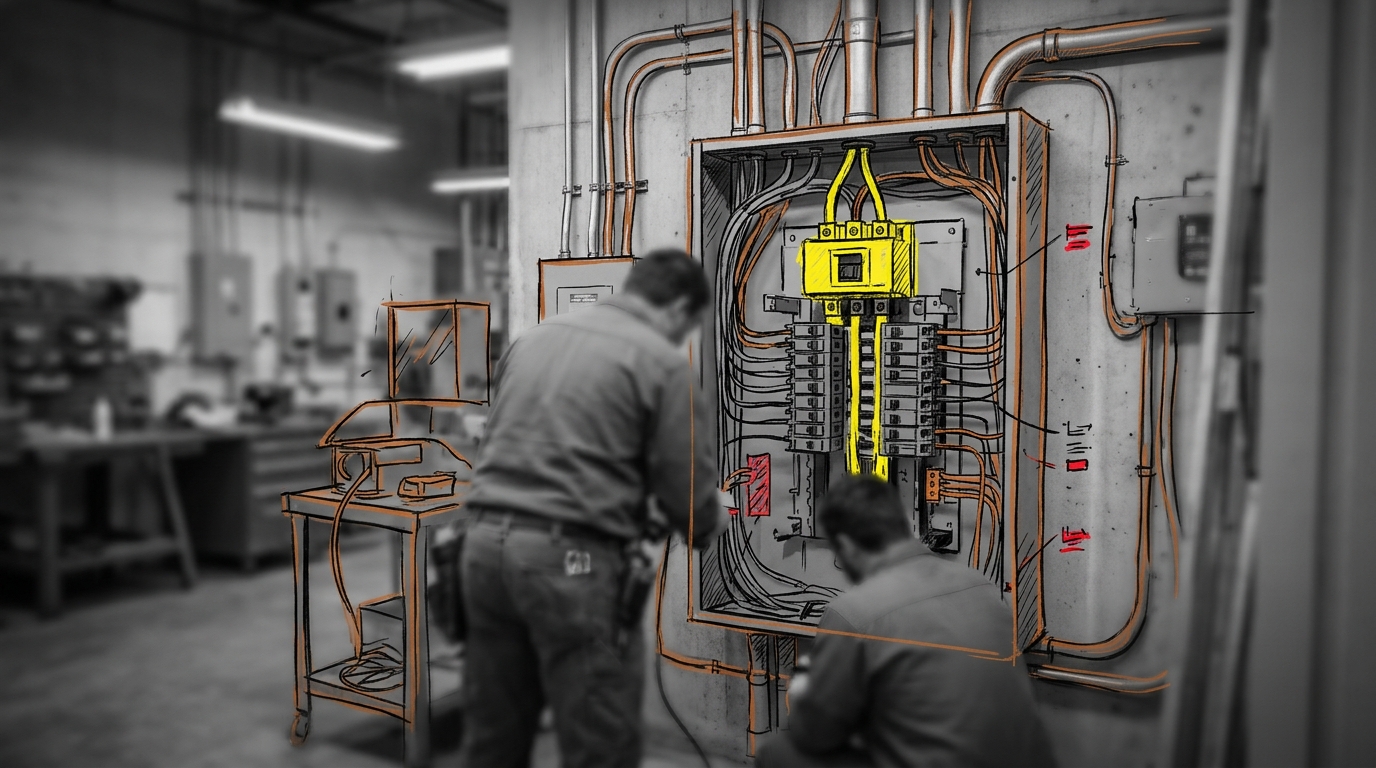
Employers lining up extra trade workers ahead of a bid often weigh whether to go through an outside business that supplies workers on short notice to fill out a crew quickly. On California public works, apprenticeship requirements are the contractor's responsibility; if a contractor relies on an outside agency that supplies temporary workers and problems arise, the contractor is responsible for any resulting penalties.
This is consistent with the broader theme running through this comparison: whatever an outside business that supplies workers does for a contractor in a crunch, it doesn't relieve the employer of the underlying legal obligations tied to the job — whether that's apprenticeship compliance on a public works project, wage and workers' compensation liability under section 2810.3, or workplace safety duties under Division 5. For contractors thinking through how employers line up trade workers before a big bid in Southern California, factoring in this responsibility early, before the crew is assembled, avoids surprises after the bid is won and the work is underway.
Frequently Asked Questions
How does Construction Help Finder charge for contact with workers?
Posting and browsing are free, and making contact is the paid product.
Does Construction Help Finder supply or employ the workers listed on it?
No. Construction Help Finder does not supply, assign, place, employ, or pay anyone. Its role stops at connecting employers and workers.
Who pays to reach applicants on Construction Help Finder?
Employers pay to reach the workers who apply.
Weighing the Two Paths
Direct contact and markup-fee middlemen each have a place, depending on what an employer needs most at a given moment. Direct contact avoids adding an outside supplying business to the job, and sidesteps the shared-liability questions that come with using one. An outside business that supplies workers for a fee adds a markup, and the legal responsibilities — for wages, workers' compensation, safety, and in public works settings, apprenticeship compliance — stay with the employer regardless of the fee paid.
Whether an employer is comparing a general job board to a trade-focused job board to staff a bigger bid, or weighing an outside supplying business against reaching tradespeople directly, the underlying question is the same: does an outside supplying business, with its markup fee and its shared-liability arrangement, sit between the employer and the worker, or not? Construction Help Finder is built for employers who want the direct path — it connects employers and skilled trade workers, then gets out of the way. To post your opening and reach skilled trade workers directly, Get Started.