
Why Posted Trade Openings Sometimes Sit Without Responses
A posted trade opening often sits without responses because of a mismatch between the listing and what today's labor market actually responds to — not because no workers exist. Nationally, demand for skilled trade workers is intense: 87 percent of firms surveyed by AGC in 2026 reported openings for hourly craft positions, so a single posting is competing with a lot of others for the same workers. At the same time, pay transparency matters more than many employers realize — SHRM research shows 74 percent of workers are less interested in job ads that skip a pay range, while 82 percent are more likely to consider applying when one is listed. A vague or pay-silent posting can get scrolled past even when a worker is actively looking. Add in a labor force where the median age is 42, a workforce where immigrants make up a record 25.5%, and growing concern over immigration enforcement tightening the available pool, and the pattern becomes clear: openings don't go unanswered randomly, they go unanswered when the listing doesn't speak clearly to the workers who are actually out there. Southern California contractors and trade business owners posting openings on Construction Help Finder can use these patterns to diagnose a quiet post and adjust the listing rather than assume no one is out there.
The Candidate Pool Is Older and Shifting
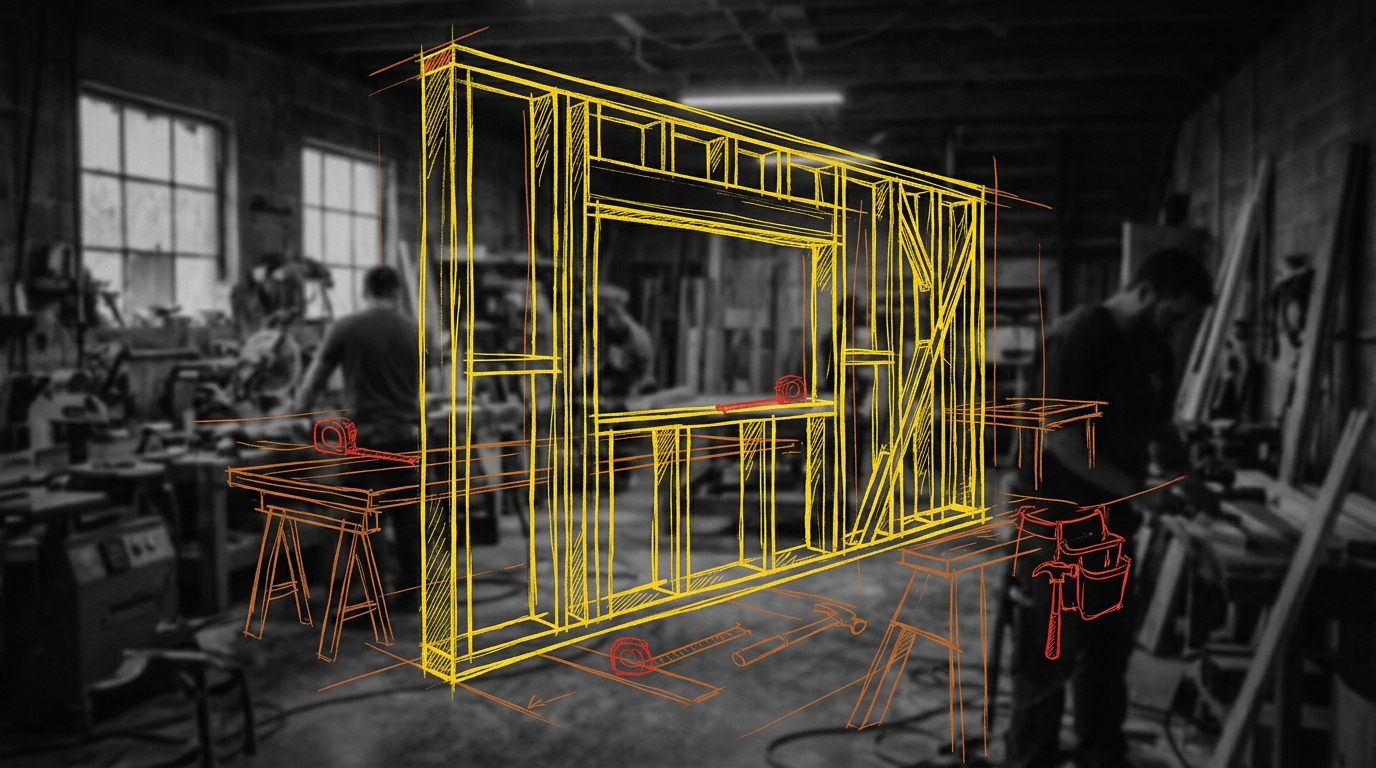
One quiet reason a posting goes unanswered is that it was written with a different worker in mind than the one actually reading it. The median age of workers in the U.S. construction labor force is 42. A listing written as if every applicant is just starting out, with no mention of steady hours, a clear pay range, or how long the work lasts, speaks past the experienced workers who make up a large share of that pool.
The make-up of that workforce has also shifted. Immigrants make up 25.5% of the U.S. construction workforce, a record high. That's roughly one worker in four. A posting has to reach that part of the workforce too.
Immigration Concerns Are Squeezing the Worker Supply
Beyond who's available, there's a growing question of how comfortable that group feels showing up at all. AGC's 2026 outlook says firms are increasingly concerned that immigration enforcement may further constrain the supply of available workers. In the 2026 AGC/NCCER survey, 12 percent of firms said workers left or didn't show up because of actual or rumored immigration actions, and 16 percent said subcontractors lost workers.
Here in Southern California, that squeeze compounds with existing regional friction. SCAG identifies key workforce barriers in the region: lack of affordable housing, limited access to reliable and affordable transportation, skills mismatch, and inadequate access to affordable child and family care. A worker weighing whether to respond to a posting isn't just asking "am I qualified" — they're asking whether the commute, the housing situation, and the overall stability of the opportunity make sense for their life right now. Contractors thinking through the steps for lining up tradespeople before a bid already know that worker supply is tight.
Qualification Gaps Can Make a Posting Look Unanswered
Sometimes a posting isn't actually unanswered — it only looks that way. In AGC's 2025 Workforce Survey, 57 percent of firms said available candidates were not qualified because they lacked essential skills or the appropriate certificate or license. That's more than half of firms running into a mismatch between who applies and who the role actually needs.
From the employer's side, this can feel identical to silence. A handful of responses came in, none of them panned out, and the posting sits open just as it would if no one had replied at all. The fix isn't necessarily to write a louder posting — it's to be precise about the skill or certificate the role requires up front, so the applicants who do respond are more likely to be a real match, and workers who don't meet the bar can self-select out before wasting anyone's time. It's also worth remembering the scale of demand behind these numbers: in the 2026 AGC/NCCER Workforce Survey, 82 percent of firms also reported openings for salaried positions — a lot of roles competing for a pool that's already short on exact matches.
What Is Driving the Shortage Itself

It helps to understand that some of this isn't a listing problem at all — it's a structural one. ABC estimated in January 2026 that the construction industry needs about 349,000 net new workers in 2026. ABC's chief economist attributes the shortage mainly to retirements of industry veterans and to rapid demand growth in certain regions and specialized occupations (Report: Construction Needs 349K New Workers in 2026).
SCAG found commute times to be a particularly significant issue in the region, with nearly 85 percent of jobs not reachable within a 45-minute commute despite high rates of car access. A worker who might otherwise be a strong fit for a posted role may simply be unable to reach the job within a reasonable commute, even with a car. When a posting sits quiet, it's worth asking not just "is the listing clear" but "is this job even reachable for the workers who'd want it." Understanding when to post a trade opening for a project can help align the timing with when the right workers are actually looking, but timing alone can't fix a structural mismatch between where the work is and where the workers can realistically get to.
A Clear, Transparent Listing Gets More Responses
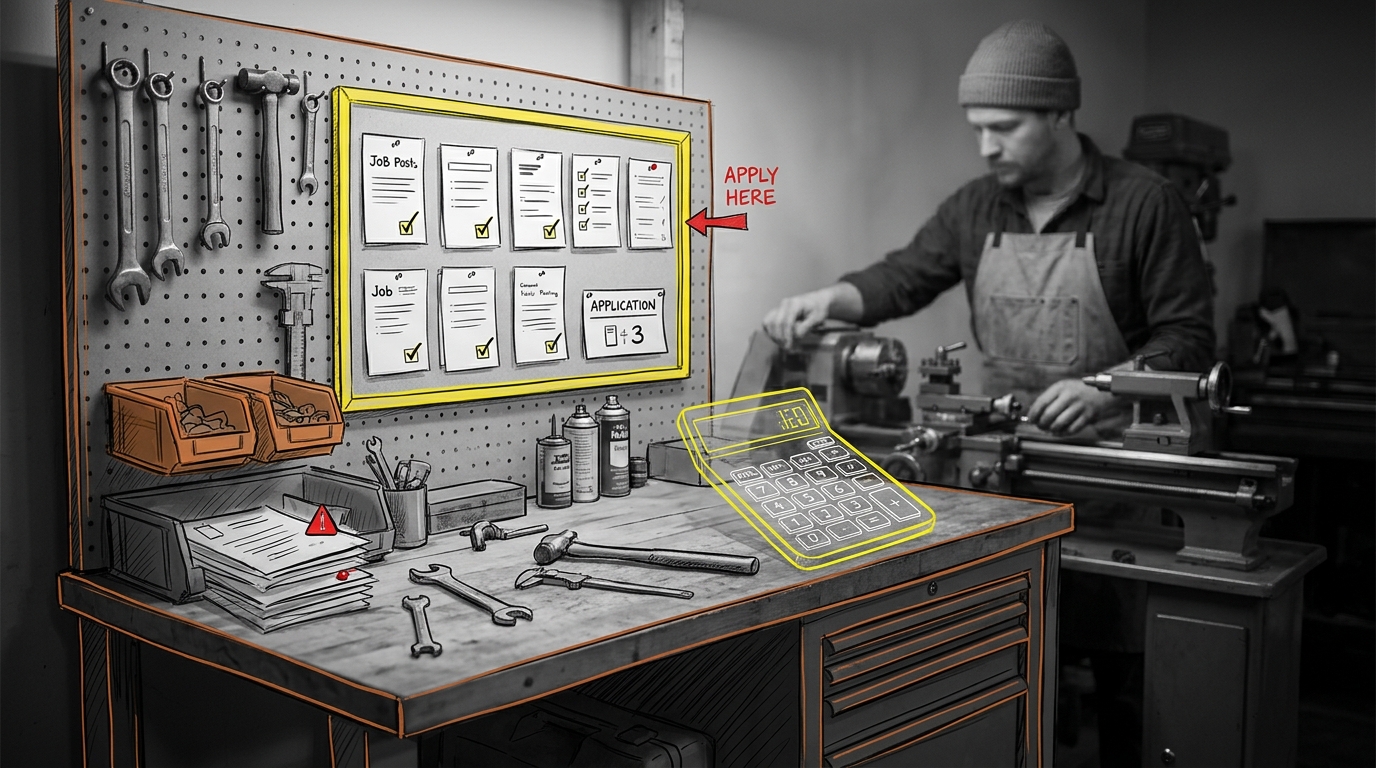
Given all of this — an older and shifting workforce, growing caution around immigration enforcement, qualification mismatches, and a structural shortage — the listing itself becomes one of the few things an employer can actually control. Clarity and transparency aren't small details; they're the difference between a posting that gets scrolled past and one that gets a response. SHRM research found that 70 percent of organizations that list pay ranges in job postings say it led to more applications, and 66 percent say applicant quality increased — a direct line between what the listing says and how it performs.
Construction Help Finder puts a small cost on both sides of the connection, so everyone in the pool has something at stake. Knowing what to expect after posting on Construction Help Finder — how a posted trade opening reaches workers — can make it easier to write a clear, specific listing.
Frequently Asked Questions
Does the age of the construction workforce affect who sees my posting?
Yes. The median age of workers in the U.S. construction labor force is 42, so postings written with only younger workers in mind may not speak to the audience actually available.
Why are immigrant workers relevant to my hiring pool?
Immigrants make up 25.5% of the U.S. construction workforce, a record high. A posting that doesn't reach or speak clearly to this large share of the workforce may be missing a meaningful part of the available pool.
What is driving the shortage of workers?
The estimate shows how big the gap is, not whether it grew from last year. ABC estimated in January 2026 that the construction industry needs about 349,000 net new workers in 2026. ABC's chief economist attributes that shortage mainly to retirements of industry veterans and to rapid demand growth in certain regions and specialized occupations. That's a supply problem, not a slow posting.
Why would qualified-looking applicants still not get hired?
In AGC's 2025 Workforce Survey, 57 percent of firms said available candidates were not qualified because they lacked essential skills or the appropriate certificate or license, so a quiet-seeming posting may actually have drawn responses that didn't meet requirements.
Why does Construction Help Finder put a small cost on both sides?
Construction Help Finder puts a small cost on both sides of the connection, so everyone in the pool has something at stake.
Getting a Response in a Tighter Market
A posting that sits quiet usually isn't a sign that the trades are empty of workers — it's a sign that the listing, the timing, or the terms didn't line up with the workers who are actually out there. Clear pay information, precise skill requirements, and realistic expectations about commute and timing all play a part in whether a posting gets answered or ignored. Construction Help Finder is built as a construction-only job board where Southern California employers and skilled trade workers can connect directly, and understanding the forces shaping today's available workforce is the first step toward a posting that actually gets a response. To post your opening and reach skilled trade workers directly, Get Started.