
Posting an Electrical Job Listing to Connect With Available Workers
An effective electrical job listing names the exact project, the electrical systems involved, the certification required, the experience level expected, site conditions, and timeline, so a skilled electrician can tell whether the work matches their background. A vague posting like "electrician needed" leaves the applicant guessing, while a listing that reads like a real job description gives specifics a certified electrician recognizes. Spell out the systems the electrician will work on, how long the project runs, what the jobsite looks like, the certification classification needed, and the experience level required. California's electrician certification has five classifications, each with its own exam, so naming the certification type tells an electrician right away whether they hold the one the job calls for. Site conditions matter too: whether the work is indoors or outdoors, at height, in an occupied building, or on a new build changes who should apply. A clear timeline lets electricians judge whether the schedule fits their availability. The goal is a listing detailed enough that electricians can judge for themselves whether they meet the requirements before they reach out.
Naming the Right Certification Classification

California organizes electrical certification into five distinct classifications, and naming the correct one in a job listing is one of the fastest ways to filter applicants before they ever reach out. Those five are General Electrician, Residential Electrician, Fire/Life Safety Technician, Voice Data Video Technician, and Non-residential Lighting Technician, and each one has its own exam. An employer who simply writes "electrician needed" leaves it to the applicant to guess whether they qualify.
Certification timing matters as much as classification. According to DLSE, electricians moving to California from another state must be certified before they start working in California, and there's no grace period (Division of Labor Standards Enforcement (DLSE) Electrician Certification FAQs). An out-of-state electrician can't start on a jobsite and get certified later — the paperwork has to come first. A listing that mentions this, or simply states that current California certification is required, saves an employer from fielding applications from electricians who are not yet certified to work in California.
The same strictness applies on the contractor side. DLSE says all electricians working for C-10 licensed contractors should be certified, no matter how long the project lasts. There's no exception for a short job or a quick fix. If a listing is posted on behalf of, or in connection with, a C-10 licensed contractor, every electrician on the work should hold the appropriate certification — whether the work is a two-day repair or a six-month build.
| Situation | Requirement |
|---|---|
| Electrician moving to California from another state | Must be certified before starting work in California; no grace period |
| Electrician working for a C-10 licensed contractor | Should be certified regardless of project length |
| Residential Electrician certification candidate | Requires 4,800 hours on NEC-covered systems across two or more work areas |
Employers who are new to posting electrical work and want a broader orientation before writing their first listing can use this starting point for hiring local electricians for what to know before they start connecting with local electricians.
Specifying Experience Requirements for Residential Work
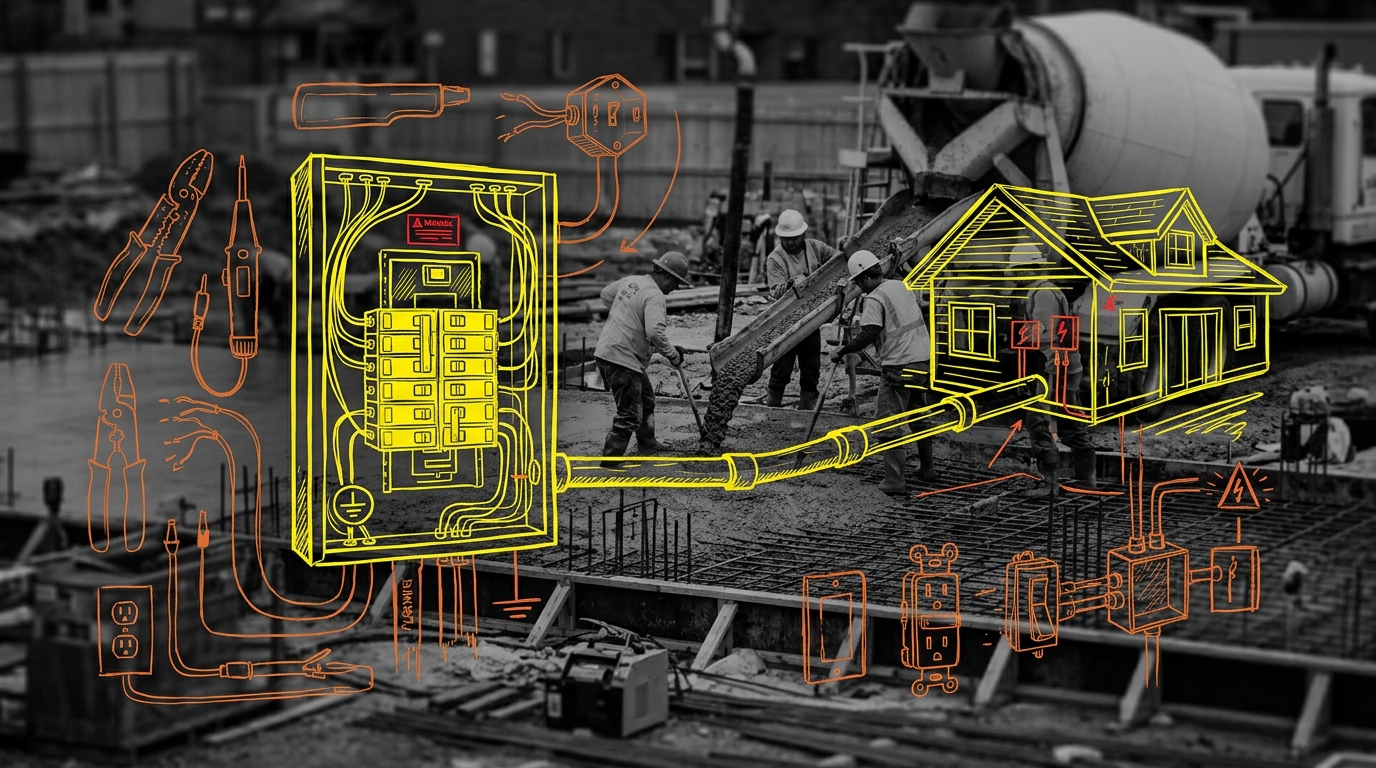
Certification classification tells an applicant what category of work they're certified for. Experience requirements tell an employer how deep that electrician's background actually goes. For residential work, the Residential Electrician certification sets a clear bar: candidates must complete 4,800 hours of work for an electrical contractor on electrical systems covered by the National Electrical Code, and those hours have to come from two or more work areas. That second condition matters just as much as the hour count. An electrician who spent all 4,800 hours on one narrow task hasn't met the requirement.
When writing a residential job listing, naming this hour requirement — or simply stating "Residential Electrician certification required" — tells applicants right away what level of background is expected. An electrician who hasn't logged the hours across multiple work areas will recognize they don't yet qualify and won't apply, which is exactly the self-selection a well-written listing is supposed to produce. Spelling out the certification type instead of just writing "experienced" removes the ambiguity for everyone.
This is also where a listing can set itself apart from a generic posting. Rather than asking for "an experienced residential electrician," name the certification and describe the kind of systems the project involves — panel upgrades, rewiring, new residential circuits — so an applicant has a real picture of whether their background lines up. Employers hiring for industrial work can look at the guidance on writing an electrical job post that attracts industrial electricians.
What Posting an Electrical Job Costs on Construction Help Finder

One of the most common questions from employers posting their first electrical job is what it costs to get a listing in front of qualified workers. On Construction Help Finder, posting a job costs nothing. The cost structure only comes into play further down the process.
Construction Help Finder puts a small cost on both sides of the connection, so everyone in the pool has something at stake.
On Construction Help Finder, employers pay to reach the workers who apply. That's the other half of the structure: posting is free, but once electricians start applying, reaching out to them involves a cost on the employer's side. An employer isn't paying to publish a listing into the void — the cost comes at the point where there's already a real applicant to talk to.
How Applying and Contact Work
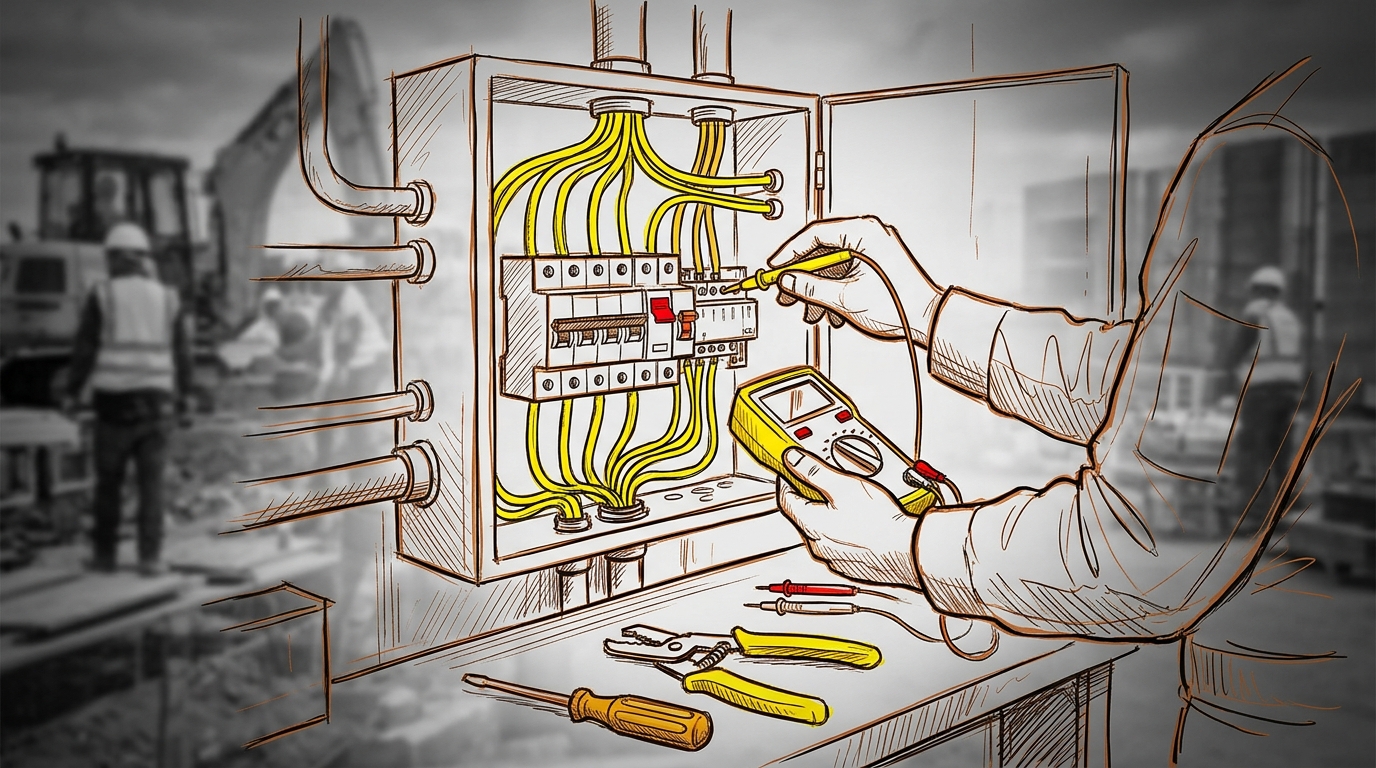
Understanding the mechanics of how a listing turns into a conversation helps an employer write a post that moves smoothly through the process. Contractors and other employers post jobs at no cost, and skilled trade workers browse them at no cost. Workers pay when they apply, and employers pay to see who applied and reach them. Once that connection is made, the two sides talk directly and make their own deal — there's no intermediary step beyond that point, just the employer and the electrician working out the details themselves.
Because the platform doesn't involve itself beyond making the connection, the quality of the listing is what determines the quality of the applicants an employer sees. A listing that names the certification, the systems, the site conditions, and the timeline draws electricians who already know they fit.
Site description deserves particular attention for employers posting in Southern California, where the geography of a jobsite can affect who's realistically able to take the work. SCAG found commute times to be a particularly significant issue in its region, with nearly 85 percent of jobs not reachable within a 45-minute commute despite high rates of car access. A job listing that doesn't name a general location or jobsite area risks drawing applicants who can't realistically get there on a regular basis, and that may only become clear after they've already applied and paid to do so. Naming the city or region in the listing lets electricians judge the commute before they apply. For employers whose listings aren't reaching enough candidates, reviewing signs a job post needs revising can help spot what to change.
Including Pay Range in Your Listing

Pay transparency isn't just good practice in California — for many employers, it's a legal requirement. California requires employers with 15 or more employees to put the position's pay scale in every job posting. An employer who meets that size threshold and leaves pay off a listing is out of step with state law, not just missing a chance to attract better applicants.
Beyond the legal angle, including the range helps match a listing to electricians whose expectations already line up with what the job offers.
Frequently Asked Questions
How many hours of experience does a General Electrician need in California?
California requires 8,000 documented on-the-job hours for a General Electrician certification candidate, compared to 4,800 hours for a Residential Electrician. Listing the right classification in your job post helps you reach electricians who actually meet these hour requirements.
Do out-of-state electricians need California certification right away?
Yes. According to the DLSE, electricians moving to California from another state must be certified before they start working in the state, and there is no grace period to work uncertified while they complete the process.
Does every electrician working for a C-10 contractor need to be certified?
Yes, the DLSE states that all electricians working for C-10 licensed contractors should be certified, regardless of how long the project lasts, even for short-term jobs.
What does it cost to post an electrical job listing?
Posting a job costs nothing. Employers only pay to see who applied and reach those applicants, while workers pay a small cost when they apply.
Do I have to list a pay range in my electrical job posting?
If your company has 15 or more employees, California law requires you to include the pay scale for the position in any job posting. Including this range also helps attract electricians whose expectations match the role.
Ready to Post Your Electrical Job?
A listing that names the project, the systems, the certification classification, the experience expected, the site conditions, the timeline, and the pay range does the hard work of filtering before a single application comes in. That's less time spent sorting through unqualified responses and more time spent talking to electricians who already know they fit the job. If you're ready to post your construction job and start connecting with electricians who match your project, Get Started.