Writing an Electrical Job Post That Attracts Industrial Electricians
An employer should write an electrical job post that names the exact equipment, voltage systems, facility type, qualifications, and pay, rather than a generic call for electricians. Industrial electricians maintain and repair the electrical systems that power manufacturing facilities, from motor control centers to PLCs, and they work with complex three-phase power systems, variable frequency drives, and automated control systems, unlike residential electricians, who might wire a home's lighting system. Naming these specifics in the post tells a specialist what the job involves and lets an electrician judge whether the work matches their experience. Beyond equipment and systems, a strong post also states the facility type, such as a manufacturing plant, distribution center, or processing facility, along with the pay scale for the role. California employers with 15 or more employees are legally required to include pay scale in job postings, and that requirement applies even when a third party is used to post the job on the employer's behalf.
Naming the Right Equipment and Facility Type for Industrial Work
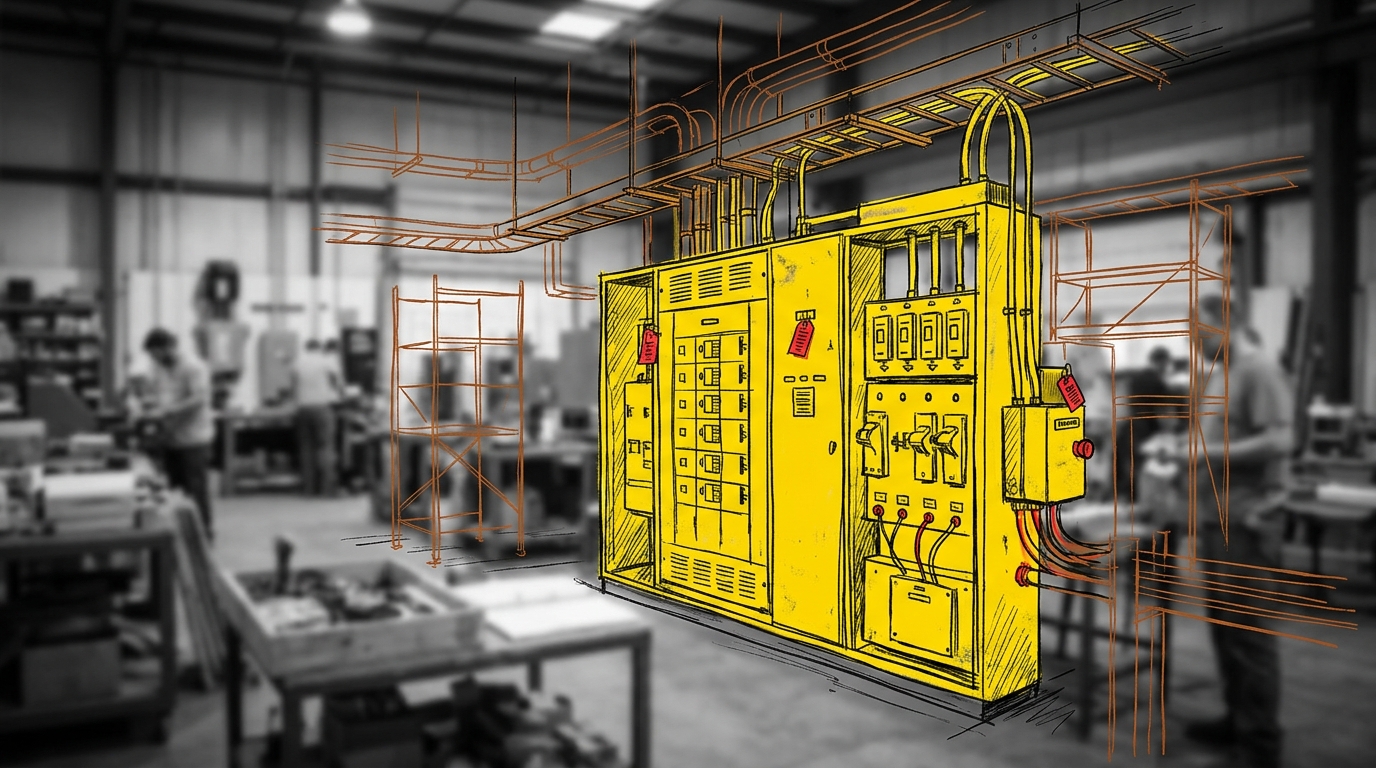
A job post that gets read by the right people starts with language only the right people recognize. Industrial electricians think in terms of specific equipment, not general wiring work, so a post that names motor control centers, PLCs, three-phase systems, or variable frequency drives tells a specialist right away that the role fits their background. This isn't jargon for its own sake — it's matching the vocabulary of the job to the vocabulary of the worker who can actually do it.
O*NET, which catalogs standard occupational tasks across industries, draws a line between electricians generally and commercial and industrial equipment repairers as a separate occupation entirely. Among the tasks listed for that separate occupation is setting up and testing industrial equipment to make sure it works properly (O*NET's Commercial and Industrial Equipment Repairers profile). That distinction matters for a job post: if the role calls for someone who tests and maintains industrial equipment rather than someone who wires outlets and panels in a home, the posting should say so plainly, using the same kind of task language that separates the two fields.
The broader O*NET description of the Electricians occupation is useful groundwork too. It describes electricians as installing, maintaining, and repairing electrical wiring, equipment, and fixtures to code, and notes they may install or service electrical control systems. A post that borrows this framing — naming the systems involved, the code standards expected, and whether control systems are part of the job — gives a specialist enough detail to self-select in, and gives a generalist enough detail to self-select out.
Facility type is the other half of this picture. A manufacturing plant, a distribution center, and a processing facility each have their own equipment profiles, shift patterns, and safety expectations, and naming the facility type helps a worker picture the actual environment before applying. For scale, the six-county SCAG region holds about 1.2 billion square feet of distribution facility space (SCAG Industrial Warehousing Study, revised 2018).
Stating Qualifications Without Overstepping
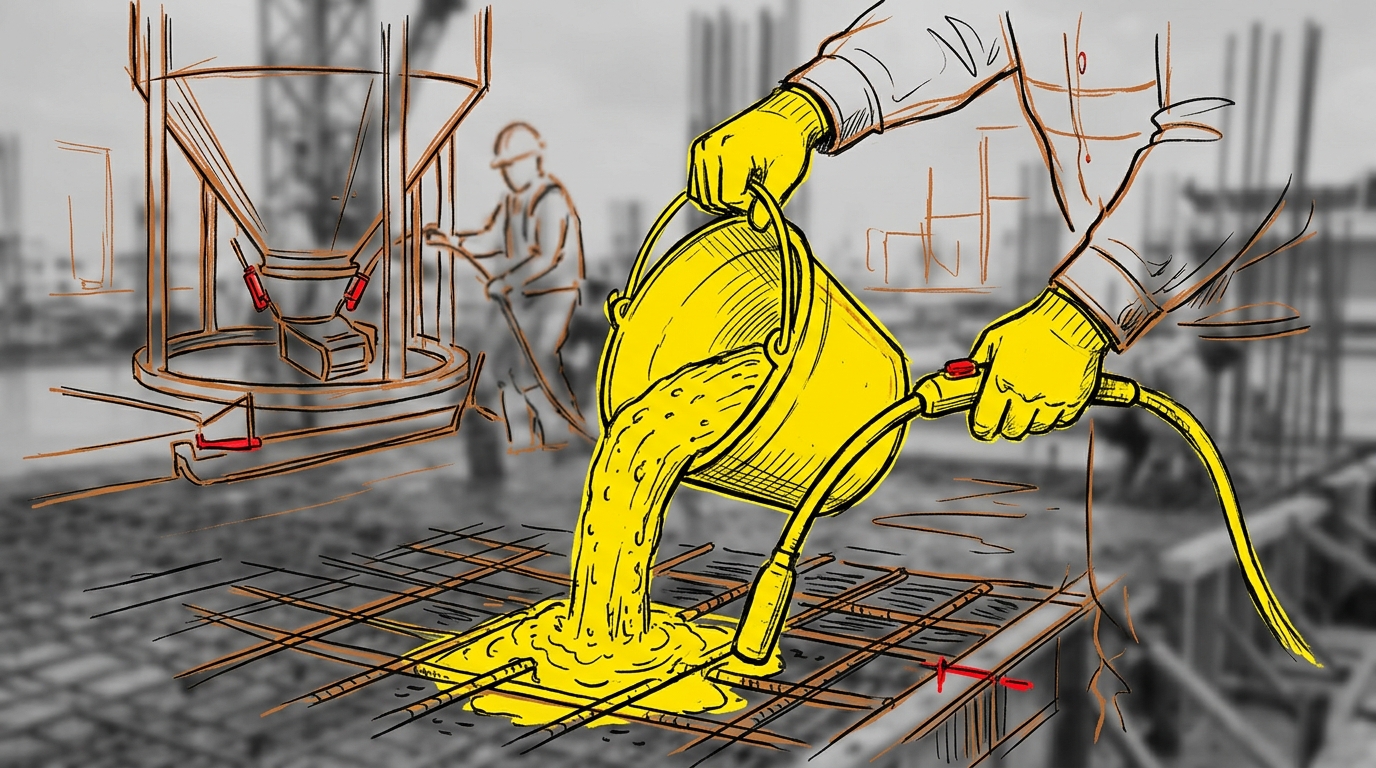
Naming equipment draws the right attention, but a post also needs to describe the qualifications expected without making claims the employer can't back up or that the platform doesn't make on the employer's behalf. Construction Help Finder does not vet or screen any worker or employer, and it does not check certification, so any statement about qualifications in a post reflects what the employer is looking for, not something the platform has confirmed.
A general benchmark for experience comes from O*NET, which states that an electrician must have completed three or four years of apprenticeship or several years of vocational training to do the job. This is a general industry example, not a California certification rule, but it gives employers a useful reference point when describing the background they expect a candidate to bring. A post might say a role requires several years of vocational training or completion of an apprenticeship program, borrowing from this kind of standard without implying any outside verification has taken place.
Employers in the Inland Empire can also name relevant local training in a post; Chaffey College's InTech Center, for example, runs registered apprenticeships that include an Industrial Maintenance Electrician track.
The goal in this section of a post is precision without overreach: describe the experience and training expected, reference recognized benchmarks where useful, and leave any legal requirement as a matter of California law rather than a platform guarantee.
Including Pay Scale the Way California Law Requires
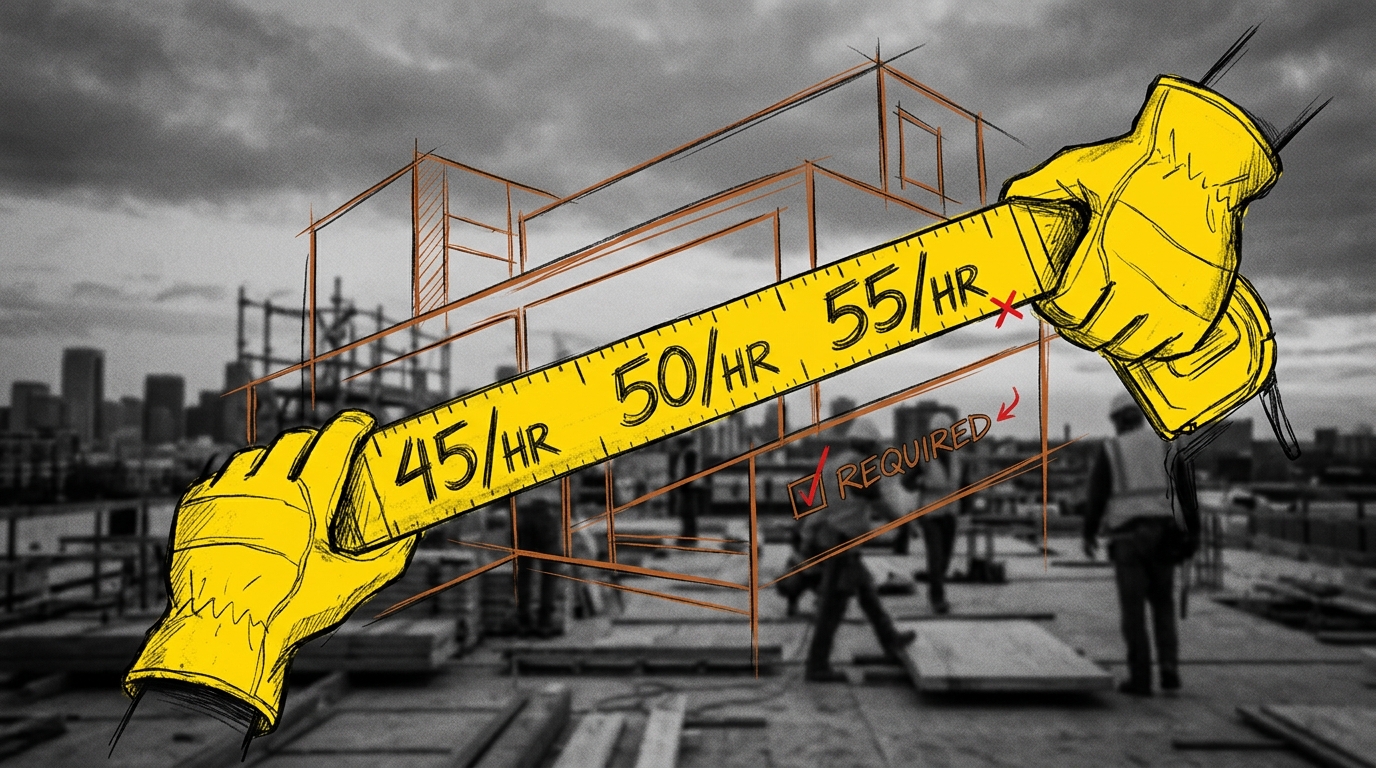
Pay transparency isn't optional in California, and a job post for an industrial electrician needs to reflect that from the start. An employer with 15 or more employees must include the pay scale for a position in any job posting (California Equal Pay Act). This applies whether the employer writes the post directly or has someone else write it on their behalf.
That second scenario applies to job boards. It holds on a construction job board for contractors the same as on a general hiring site. If a covered California employer uses a third party to post a job, the employer must give that third party the pay scale, and the third party must include it in the posting. In practice, an employer can't rely on a job board to fill in pay information — the employer has to supply it, and the posting has to carry it.
Even outside a formal posting, the obligation can follow the employer into direct conversation with a candidate. Under California Labor Code section 432.3, an employer must give an applicant the pay scale for a position when the applicant reasonably asks for it (California Labor Code section 432.3 (2025)). An employer who skips pay scale in the post may still be asked for it directly, so including it upfront tends to save a step.
| Who it applies to | Requirement |
|---|---|
| Employers with 15+ employees | Must include pay scale in any job posting |
| Employers using a third party to post jobs | Must give the third party the pay scale, which must appear in the posting |
| Positions that may be filled in California, in person or remotely | Pay scale required per the Labor Commissioner's Office reading of the law |
| Employers responding to an applicant's request | Must give the pay scale when an applicant reasonably asks |
Once the range is set, see pay levels that attract industrial electrician applicants and the steps to post an electrical job listing.
Posting for Remote-Eligible or Multi-Site Roles
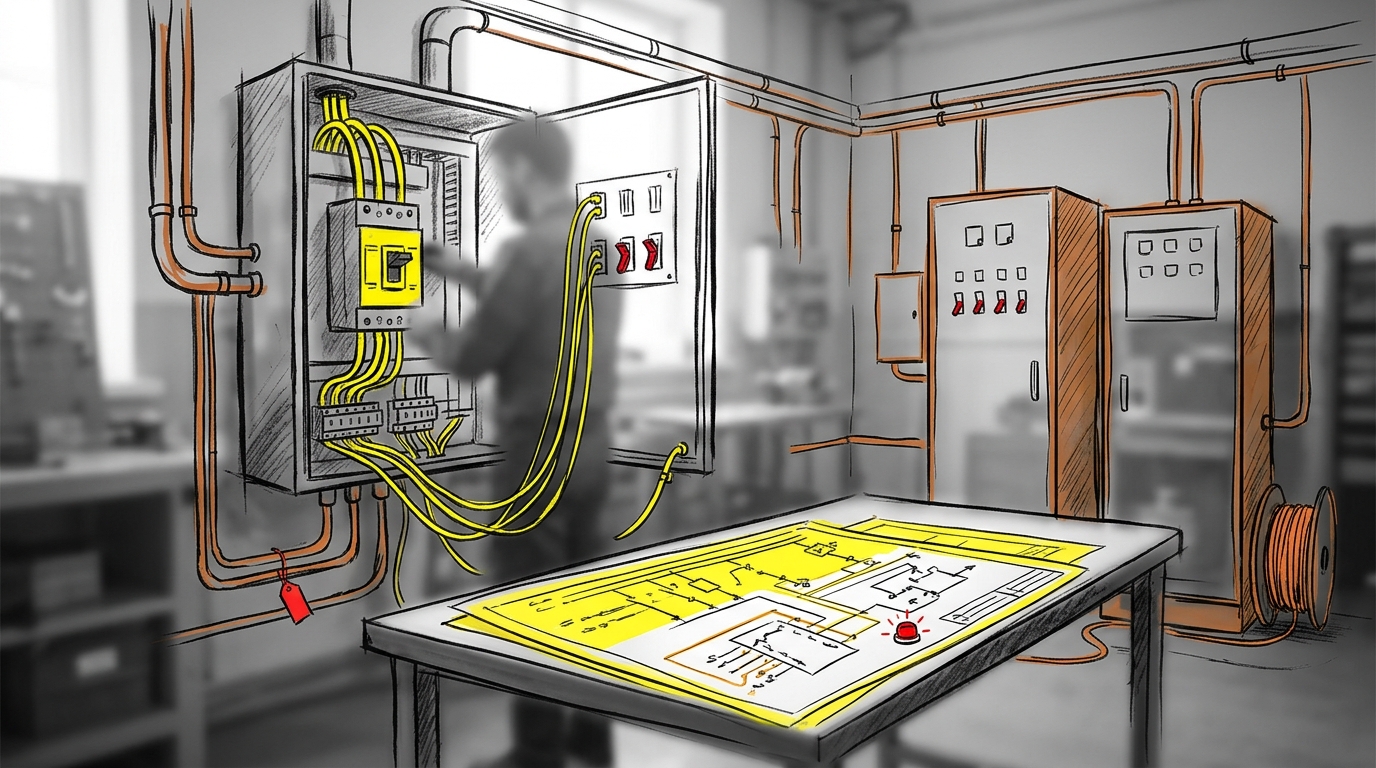
Some industrial electrician roles aren't tied to a single, fixed location — a role might be filled by someone working across multiple sites, or in a position that could be filled by someone working remotely in some capacity. California's pay scale requirement doesn't stop at the edge of a single job site.
The California Labor Commissioner's Office reads the law to require the pay scale in a job posting if the position may ever be filled in California, in person or remotely. An employer can't skip pay disclosure just because a role has flexible location arrangements or spans multiple facilities. If there's any chance the position is filled by someone working in California, the posting needs the pay scale included, the same as it would for a single-site, fully in-person role.
For employers posting multi-site or flexible industrial electrician roles, this is worth double-checking before the post goes live. Reviewing pay scale, equipment detail, and facility type together before publishing helps avoid catching a gap after the post is already out.
Frequently Asked Questions
What does an industrial electrician actually do on the job?
Industrial electricians maintain and repair the electrical systems that power manufacturing facilities, from motor control centers to PLCs. O*NET also notes electricians may install or service electrical control systems.
Does a job post have to include pay for an electrician role in California?
Yes, California employers with 15 or more employees must include the pay scale for a position in any job posting. This requirement also applies when the position could ever be filled by someone working in California, whether in person or remotely.
If I use a job board to post the role, who is responsible for including the pay scale?
If a covered California employer uses a third party to post a job, the employer must give that third party the pay scale, and the third party must include it in the posting.
What if an applicant asks me directly for the pay range?
Under California Labor Code section 432.3, an employer must give an applicant the pay scale for a position when the applicant reasonably asks for it.
What training or experience should I expect an industrial electrician to list?
O*NET's general example describes an electrician as having completed three or four years of apprenticeship or several years of vocational training. Employers can reference this kind of benchmark when describing expected experience in a post.
Closing
A job post that names the right equipment, the right facility type, the expected qualifications, and the pay scale required by California law tells industrial electricians what the job involves and meets the pay scale rule California law sets for covered employers. Construction Help Finder is a job board for the construction trades, connecting employers with skilled trade workers across Southern California, without supplying, assigning, screening, or standing behind any worker who applies. Employers ready to post an industrial electrician role can Get Started.