
General Job Boards vs a Trade-Focused Job Board for Bigger Bids
A trade-focused job board reaches skilled tradespeople more directly than a general job board, because it is built specifically for the construction trades rather than as a general hiring site, and a Forbes Tech Council post notes that niche boards can receive more relevant applications than general job boards, which the same post says are often flooded with hundreds of applicants per position. For a contractor trying to grow a crew ahead of a bigger bid, that difference matters more than raw traffic numbers. A general job board casts a wide net across every industry and job type, so a posting for a framer or electrician sits next to postings for retail clerks and office assistants, and the founder's own experience was that general sites sent him people who had never worked construction. A board built only for construction trades starts with a pool of people who already chose that trade, so the applicants a contractor sees are inherently closer to the work being bid. This isn't about one platform screening or verifying anyone — it's simply that a construction-only audience exists in the first place, where a general audience does not. For a general contractor or trade business owner staring down a tight project timeline, that means less time spent sorting through irrelevant resumes and more time actually talking to people who do this work. The sections below walk through why this happens, what outside research says about niche versus general boards, and where the hardest-to-fill trades sit in the current market.
Why One Founder Stopped Using General Hiring Sites

This story starts the way a lot of contractor frustrations start: with money spent and nothing useful to show for it. The founder built Construction Help Finder after general hiring sites took his money and sent him people who had never worked construction.
That experience shaped the thinking behind the platform. Construction Help Finder holds that a construction-only pool does more filtering by existing than a general platform's filters do by running. The filtering, in other words, isn't something the platform actively does to applicants — it's a byproduct of who shows up in the first place.
Founder James Wright put it plainly: "I created this [because] I needed workers for my projects and there wasn't an effective way to find these people". That's the whole problem in one sentence: there wasn't an effective way to find the workers his projects needed. For a general contractor or trade business owner who has felt that same gap while building a crew ahead of a commercial bid, the logic is straightforward: go where the trade workers already are, rather than hoping they surface in a general pool built for every industry at once.
What Research Says About Niche Versus General Job Boards

This isn't just one founder's experience — it lines up with how outside researchers describe the job board landscape generally. SHRM reports that many niche job boards serve particular geographic regions, membership associations, specialized industries and contract types (Niche Job Boards Muscle Into Recruiting Marketplace). Construction fits squarely into that description. It's a specialized industry with its own trades, its own skill requirements, and its own community of workers.
| Measure | Large General Job Boards | Niche Job Boards |
|---|---|---|
| Traffic volume | Higher traffic, like CareerBuilder and Indeed, per experts quoted by SHRM | Lower traffic than large boards, per experts quoted by SHRM |
| Cost and quality of hire | Can run higher cost-to-hire and lower quality-of-hire, per experts quoted by SHRM | Often lower cost-to-hire and higher quality-of-hire due to specialized, relevant candidates, per experts quoted by SHRM |
According to experts quoted by SHRM, niche boards get less traffic than large boards like CareerBuilder and Indeed, but using them often leads to lower cost-to-hire and higher quality-of-hire because they draw candidates with specialized skills and relevant experience. For a contractor trying to grow a crew without burning hours on candidates who don't belong in the trades, that tradeoff tends to favor the niche side of the table.
Applicant Volume Versus Applicant Relevance

It's tempting to think more applicants automatically means a better shot at finding the right hire. In practice, volume and relevance tend to pull in opposite directions. A Forbes Tech Council post says general job boards often get hundreds of applicants per position, which can make it hard for employers to find the right talent efficiently (Council Post: The Role Of Niche Job Boards In Today's Job Market). Sorting through that volume takes time — time a contractor often doesn't have once a bid is won and the project clock is already running.
A trade-focused board changes the math by starting from a smaller, more relevant pool rather than a larger, unfiltered one. Fewer total applicants isn't a downside when the applicants who do apply are already in the trades being hired for. That's the practical tradeoff in comparing recruiting channels, much as in weighing direct outreach versus middleman markup costs — a contractor isn't choosing between "more" and "fewer" applicants so much as between sorting through noise and spending that same time on conversations more likely to go somewhere.
Which Trades Are Hardest to Fill Right Now
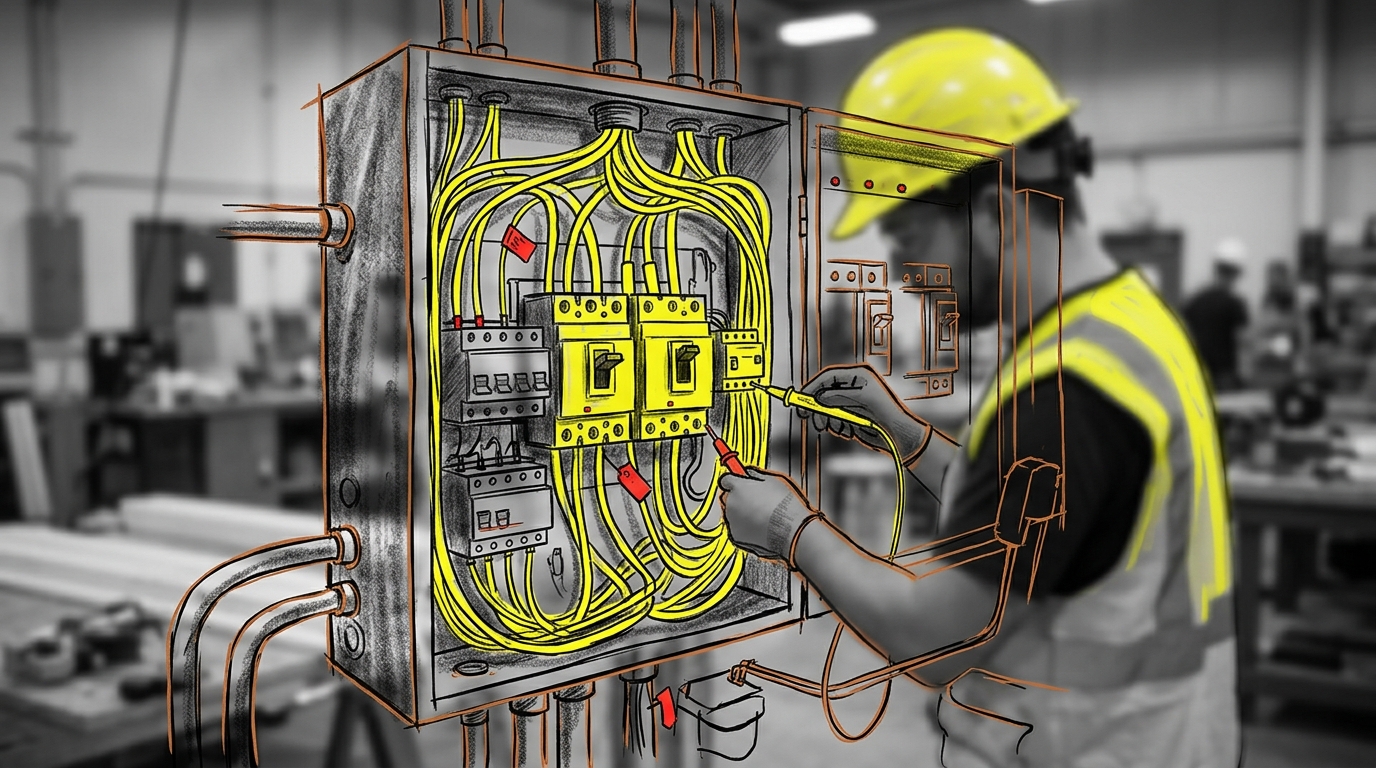
None of this matters in the abstract. It matters because certain trades are genuinely hard to staff right now, and the data backs that up. Electricians were the craft most often reported as hard to fill in AGC's 2026 survey: 81 percent of firms with electrician openings had difficulty filling them. That's not a small gap — it's the majority of firms hiring electricians running into real trouble finding people. And it isn't only about raw numbers of candidates; it's about qualifications too. Fifty percent of AGC's 2026 survey respondents said available candidates are not qualified because they lack needed skills, certificates or licenses.
For a contractor growing a crew fast after winning a larger commercial job, the guide on how to expand a crew quickly after winning bigger work covers the staffing-up steps, and knowing which trades are hardest to fill shapes where that search should start.
Frequently Asked Questions
Are niche job boards only useful for hard-to-fill roles?
A recruiting software executive quoted by SHRM said niche job boards are especially useful for finding talent for hard-to-fill roles, specialized positions, and specific industries. Construction trade roles often fall into that category, which is part of why a trade-focused board can be a strong fit.
What should an employer do differently when using a niche recruiting approach?
SHRM advises that employers using niche recruiting solutions need carefully tailored job descriptions. A vague posting on a construction-only board still won't attract the right applicant if it doesn't describe the trade, scope, and skills needed.
Is it hard to find qualified construction workers across the industry right now?
Yes. AGC reported in August 2025 that 92 percent of construction firms that are hiring have a hard time finding qualified workers, reflecting a tight labor market across the industry.
Closing Thoughts
The difference between a general job board and a trade-focused one isn't about one being "better" in some abstract sense — it's about where the right audience already exists. A board built specifically for construction trades starts narrower, but that narrower starting point is exactly what makes the applicants who do show up more relevant to a contractor's actual hiring needs. None of this involves anyone vetting, screening, or guaranteeing a worker's qualifications — it's simply a matter of where skilled trade workers choose to look for work, and where employers choose to look for them. For a general contractor or trade business owner trying to staff up ahead of a bigger bid, that narrower starting point is the whole advantage. To post your opening and reach skilled trade workers directly, Get Started.